Acts of Service
Danie Cansino
Acts of Service
969 Chung King Road
MAY 1 - june 6, 2026
OPENING RECEPTION: friday may 1, 5-8pm
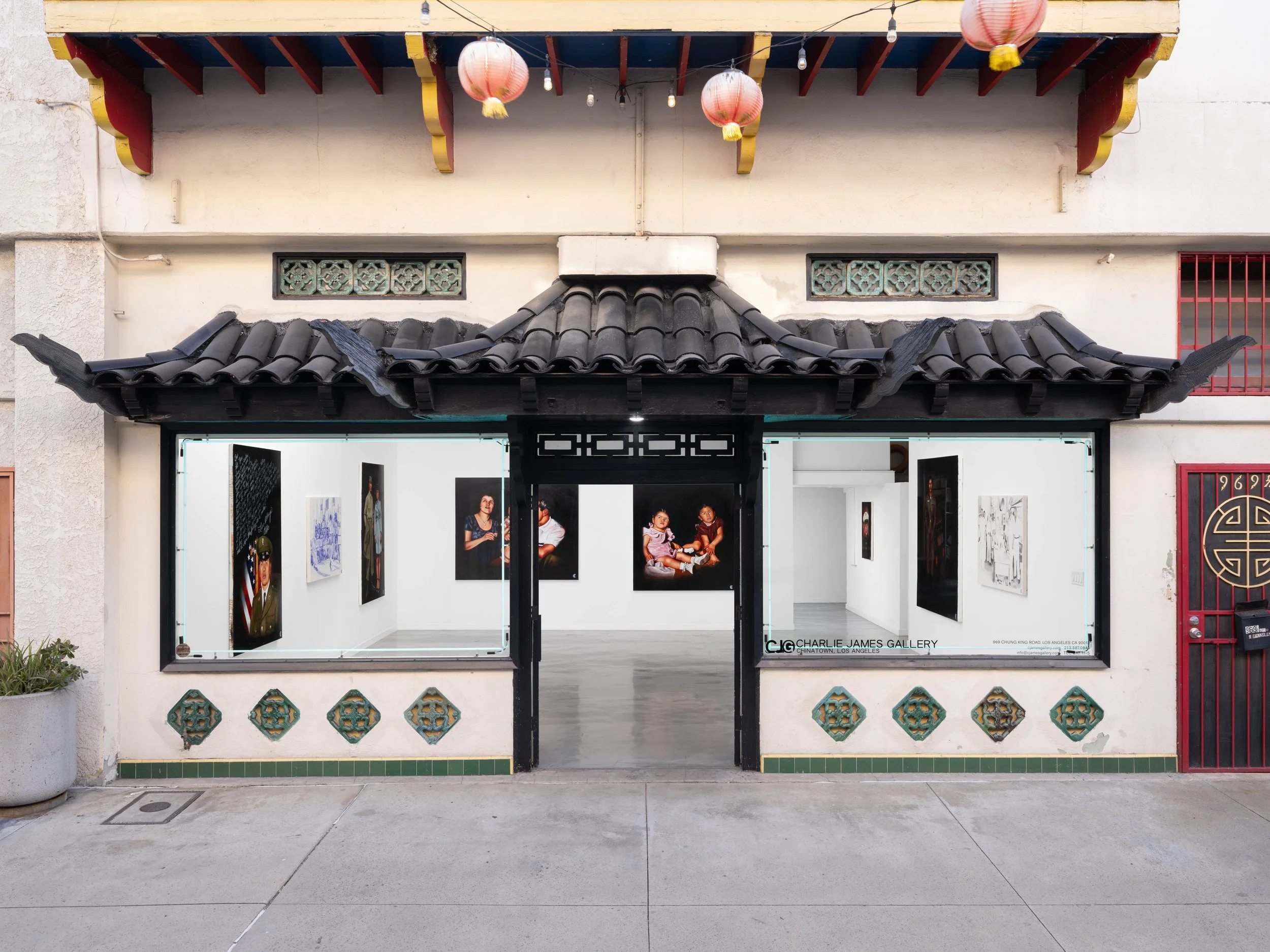
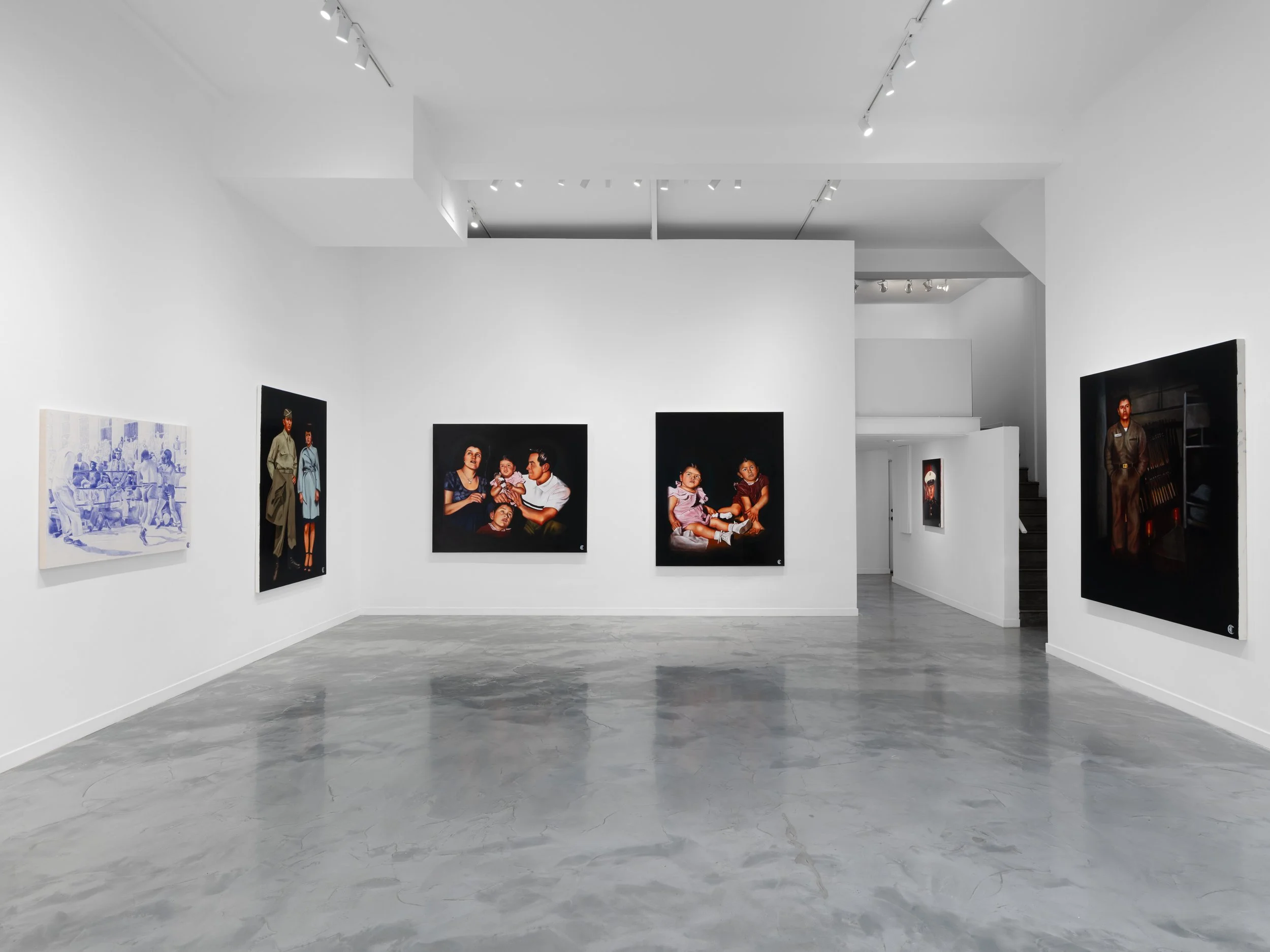
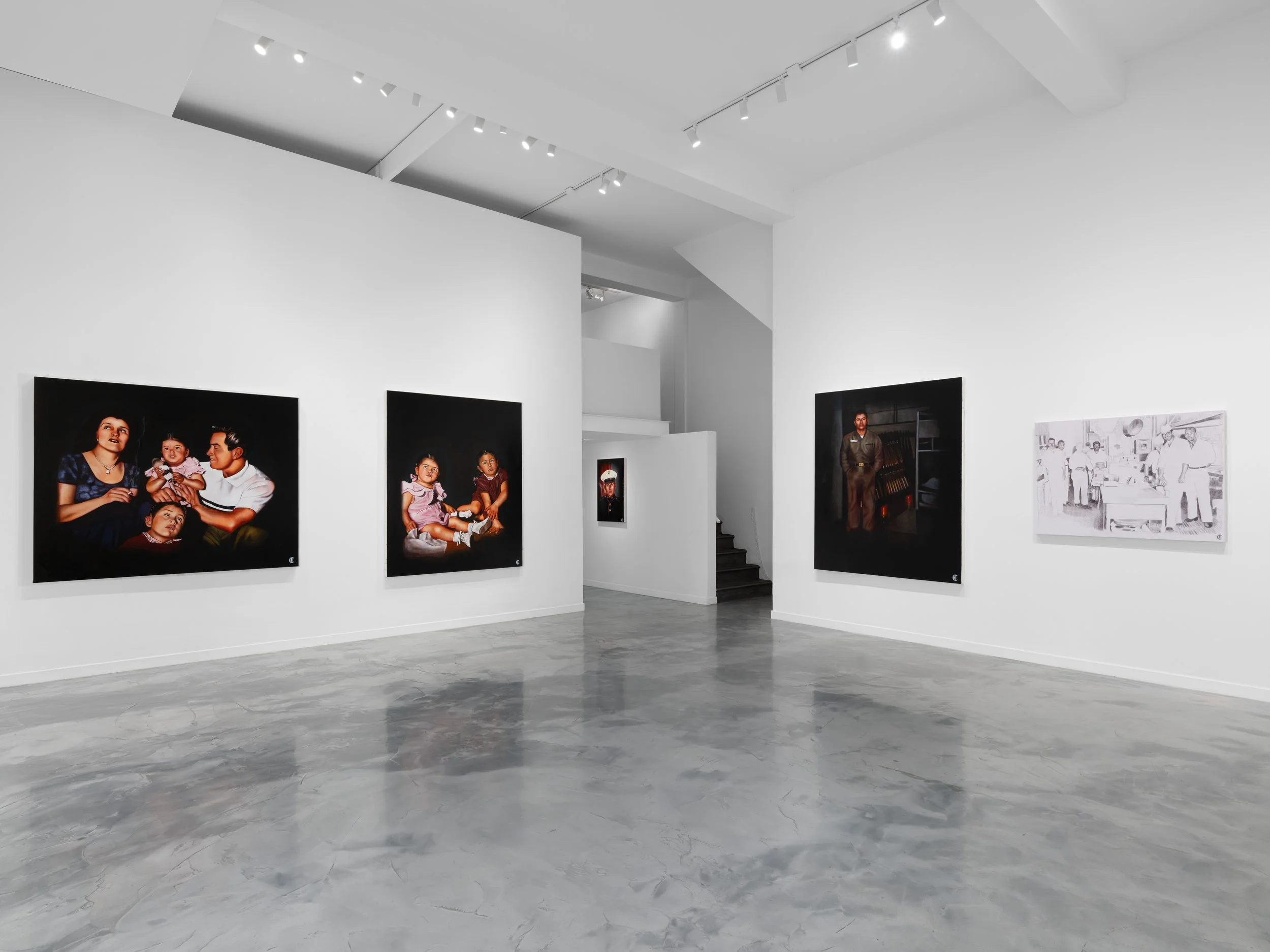
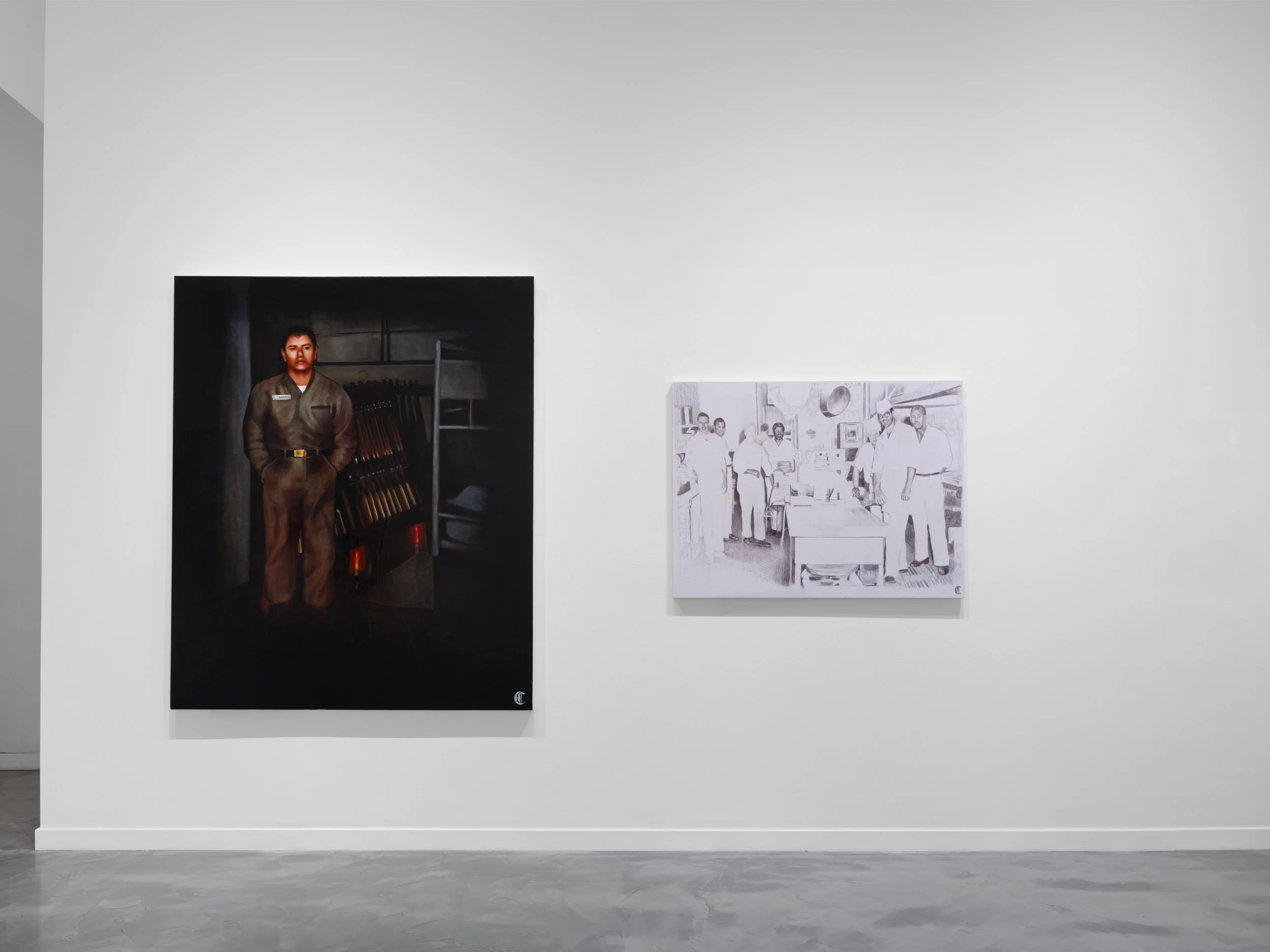
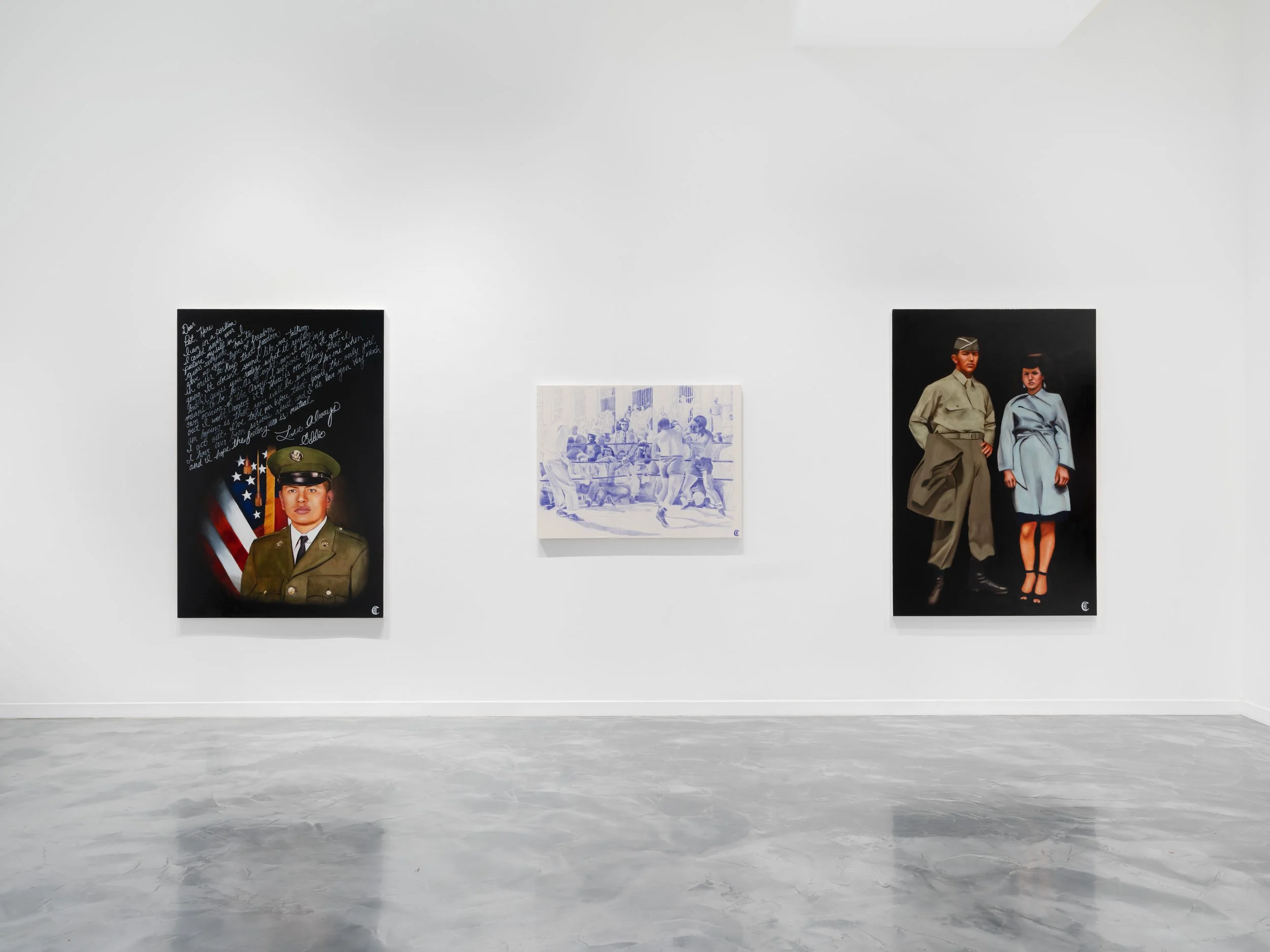
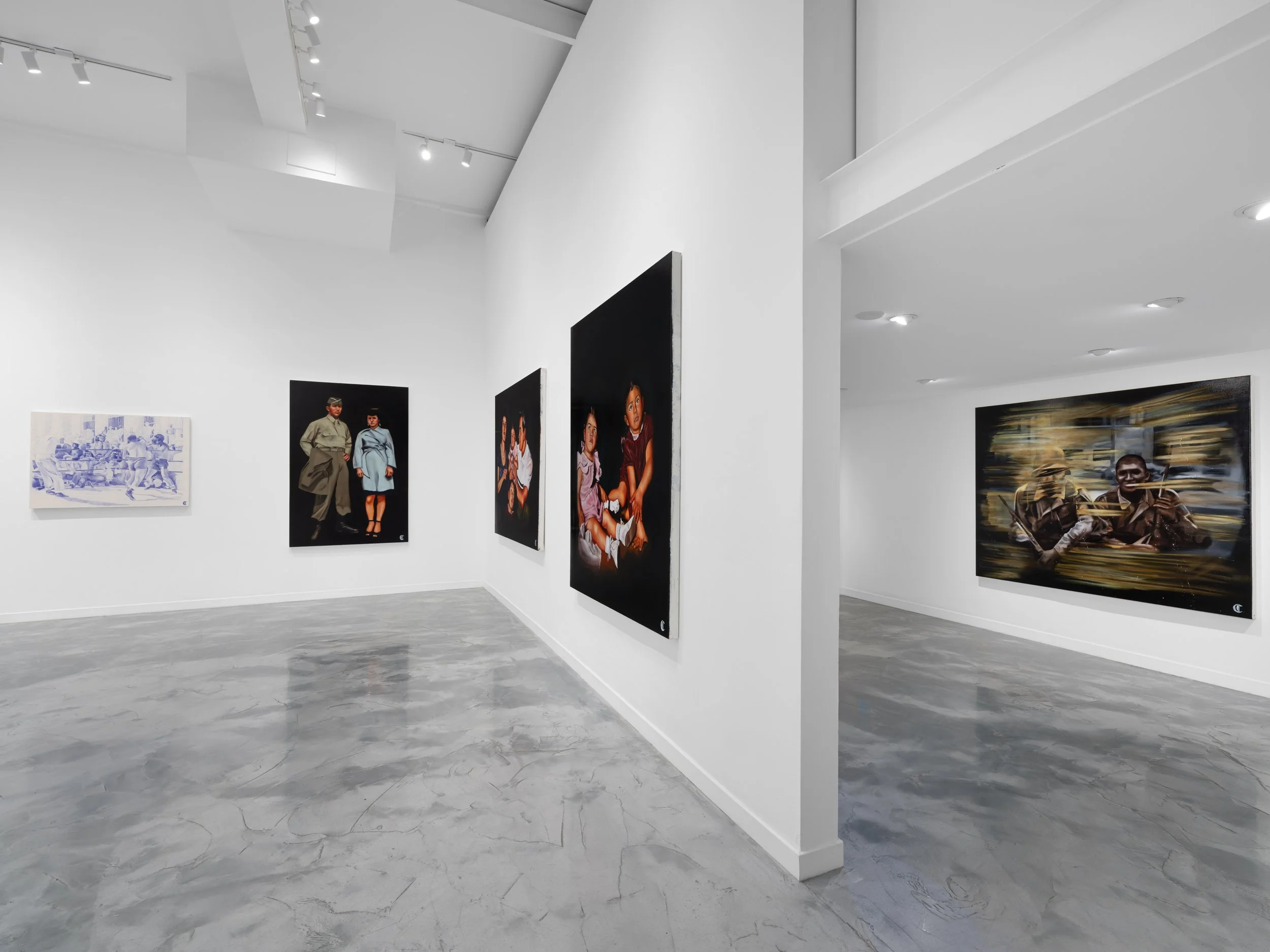
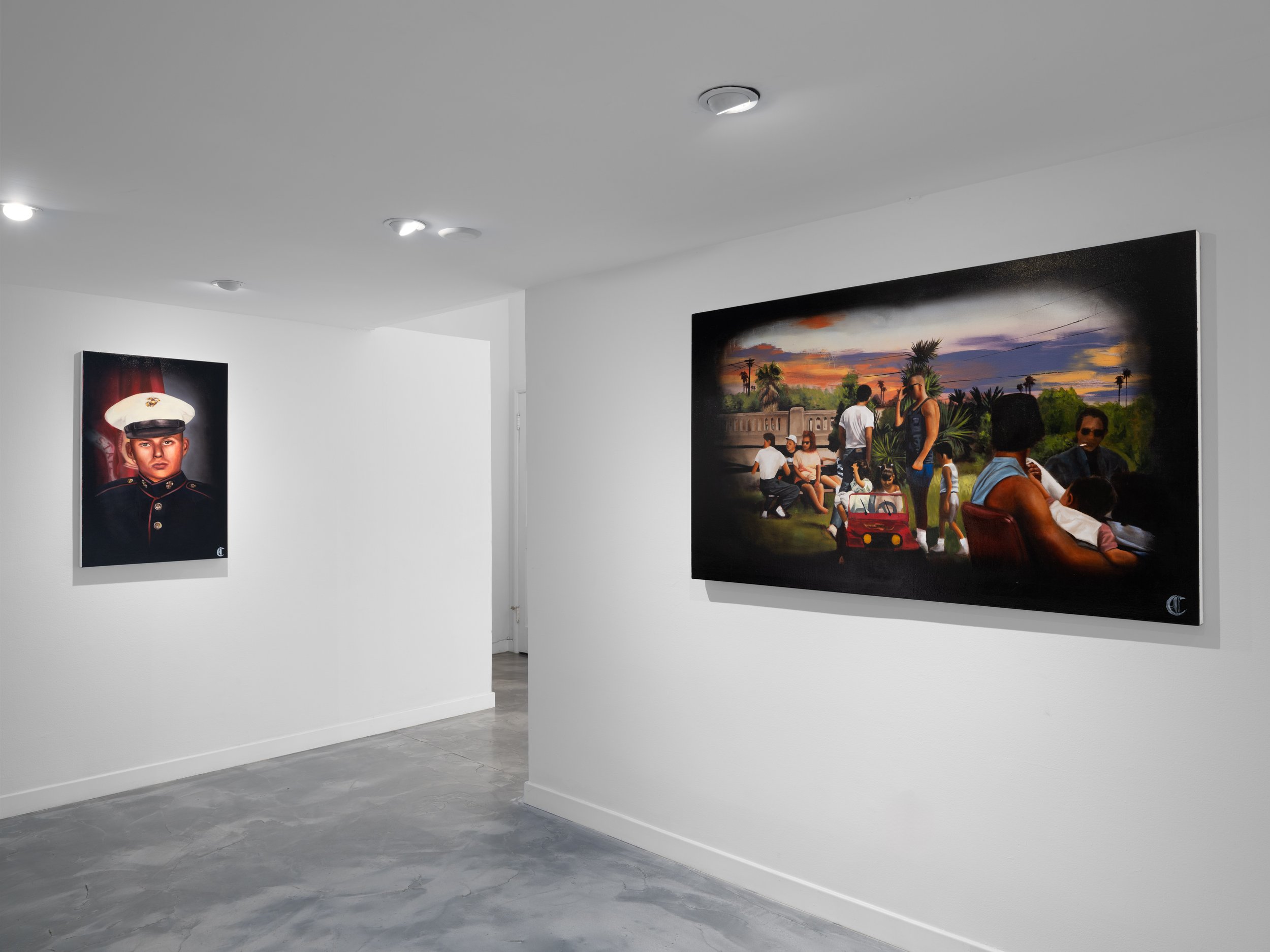
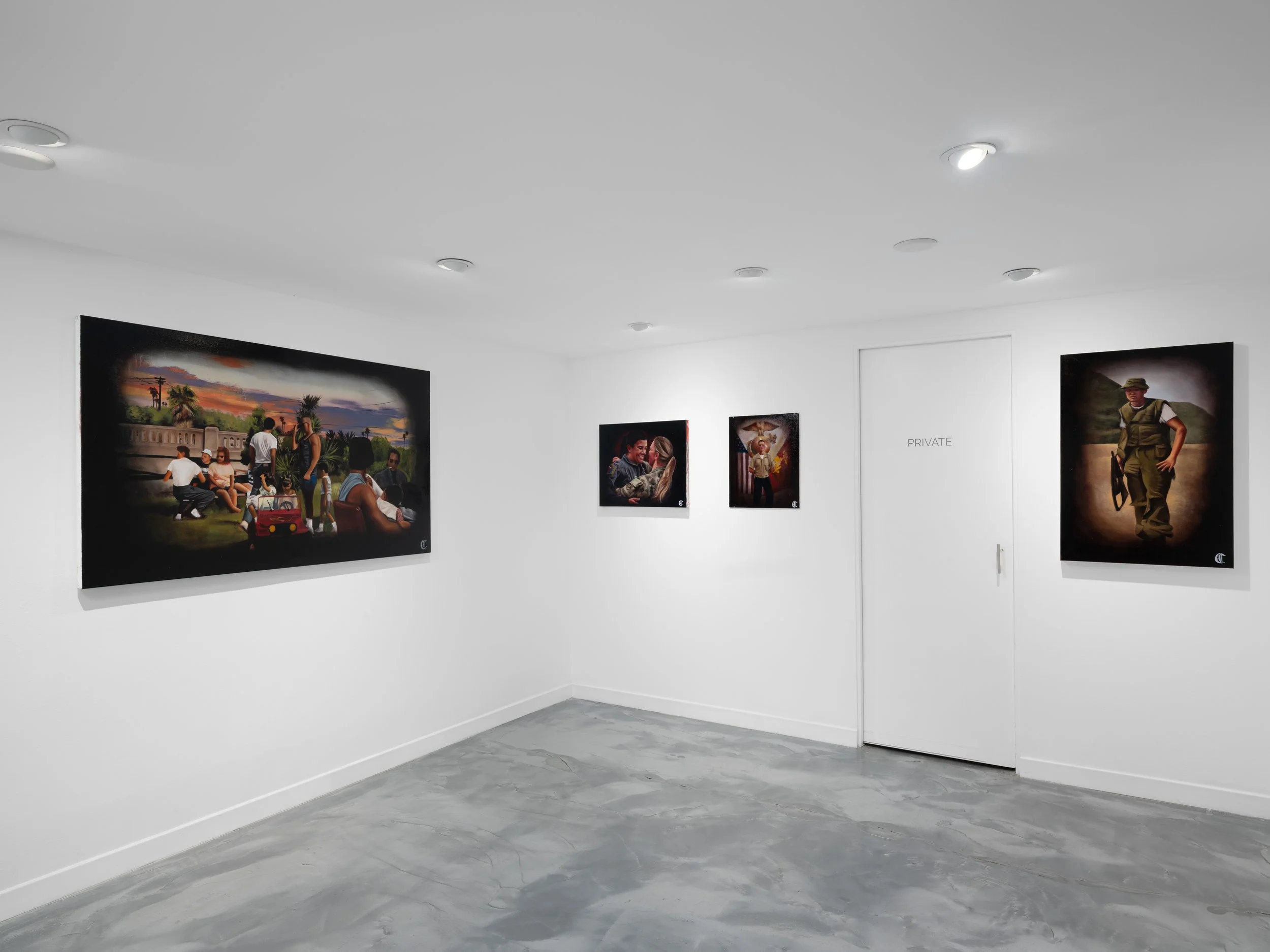
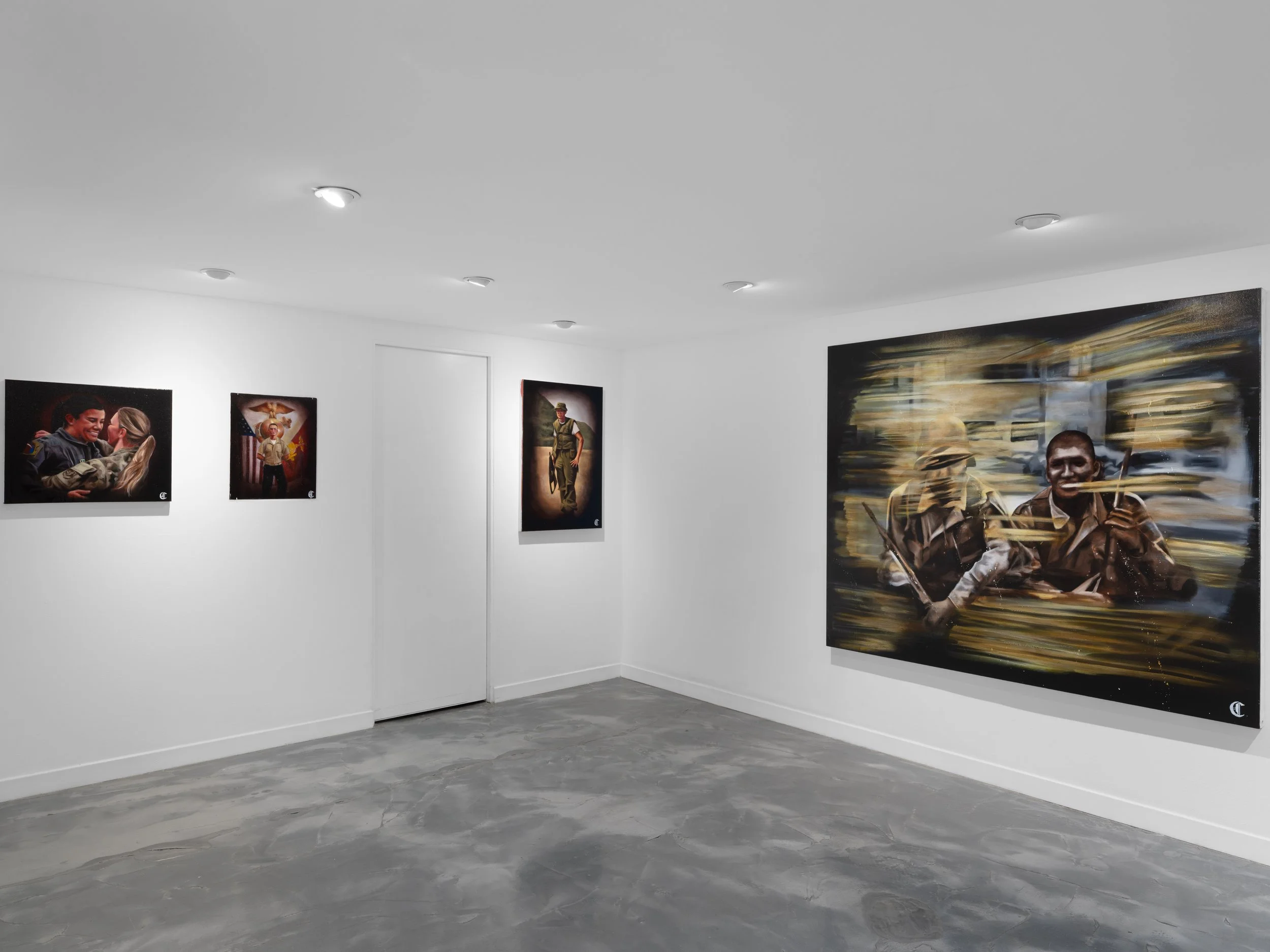
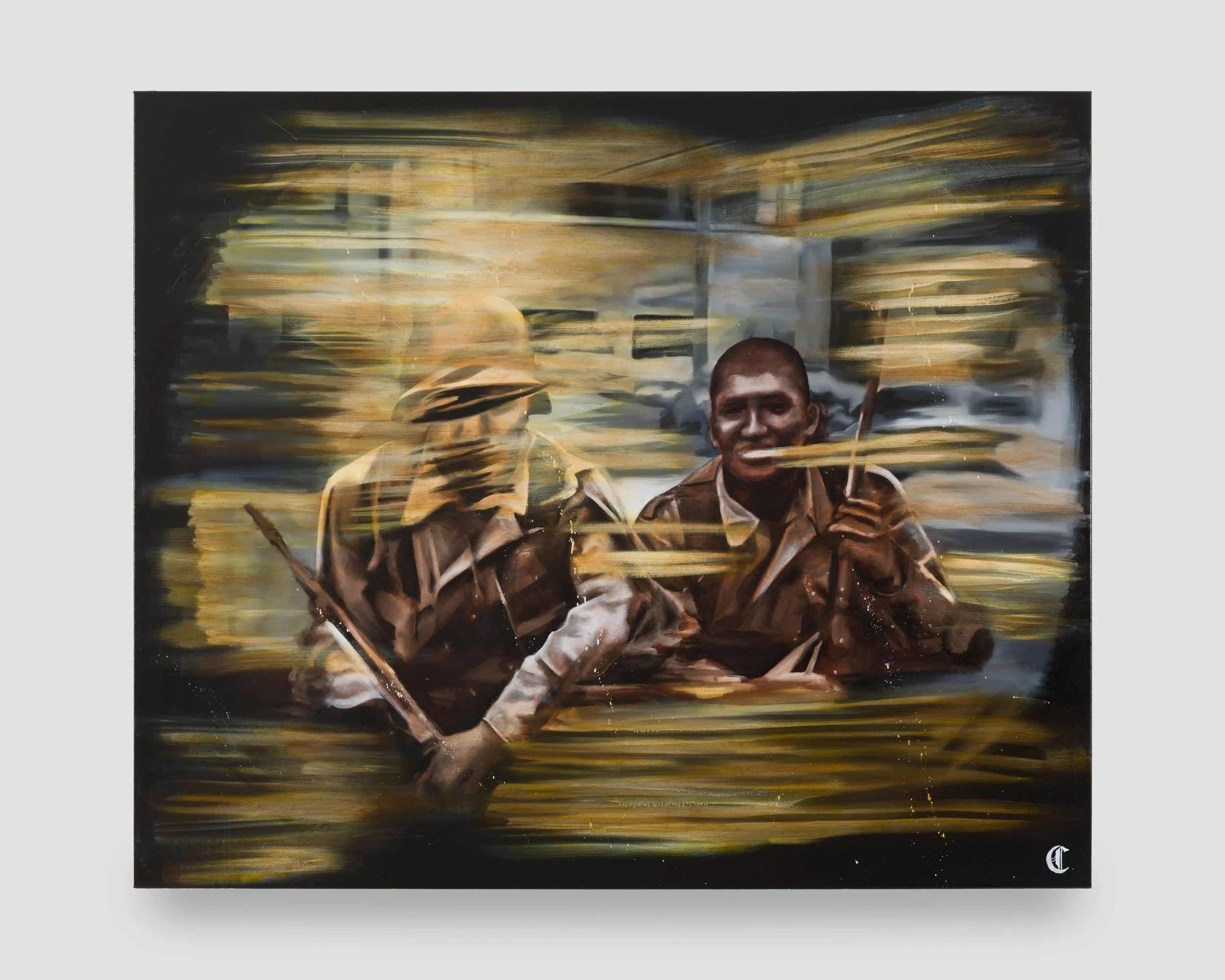
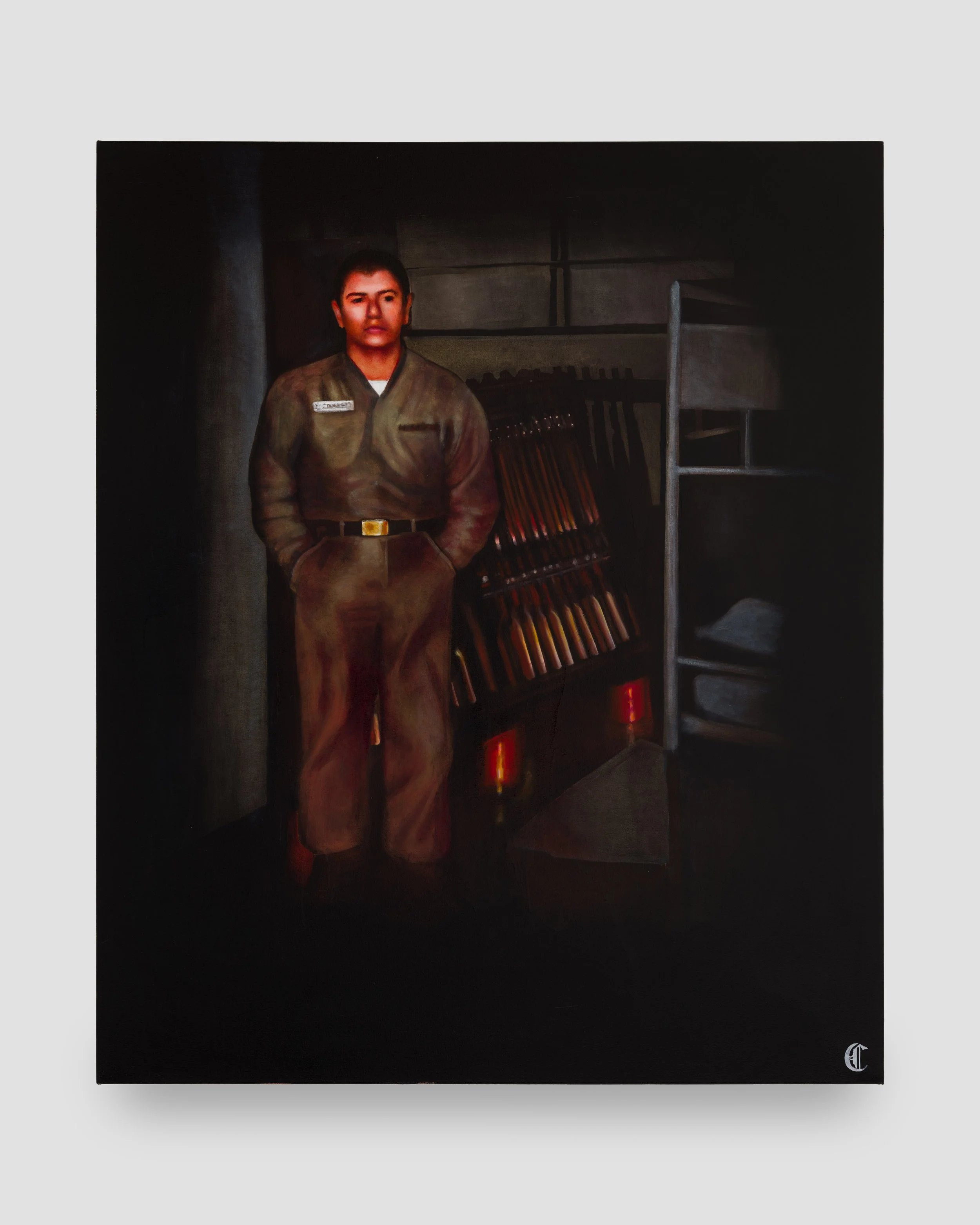
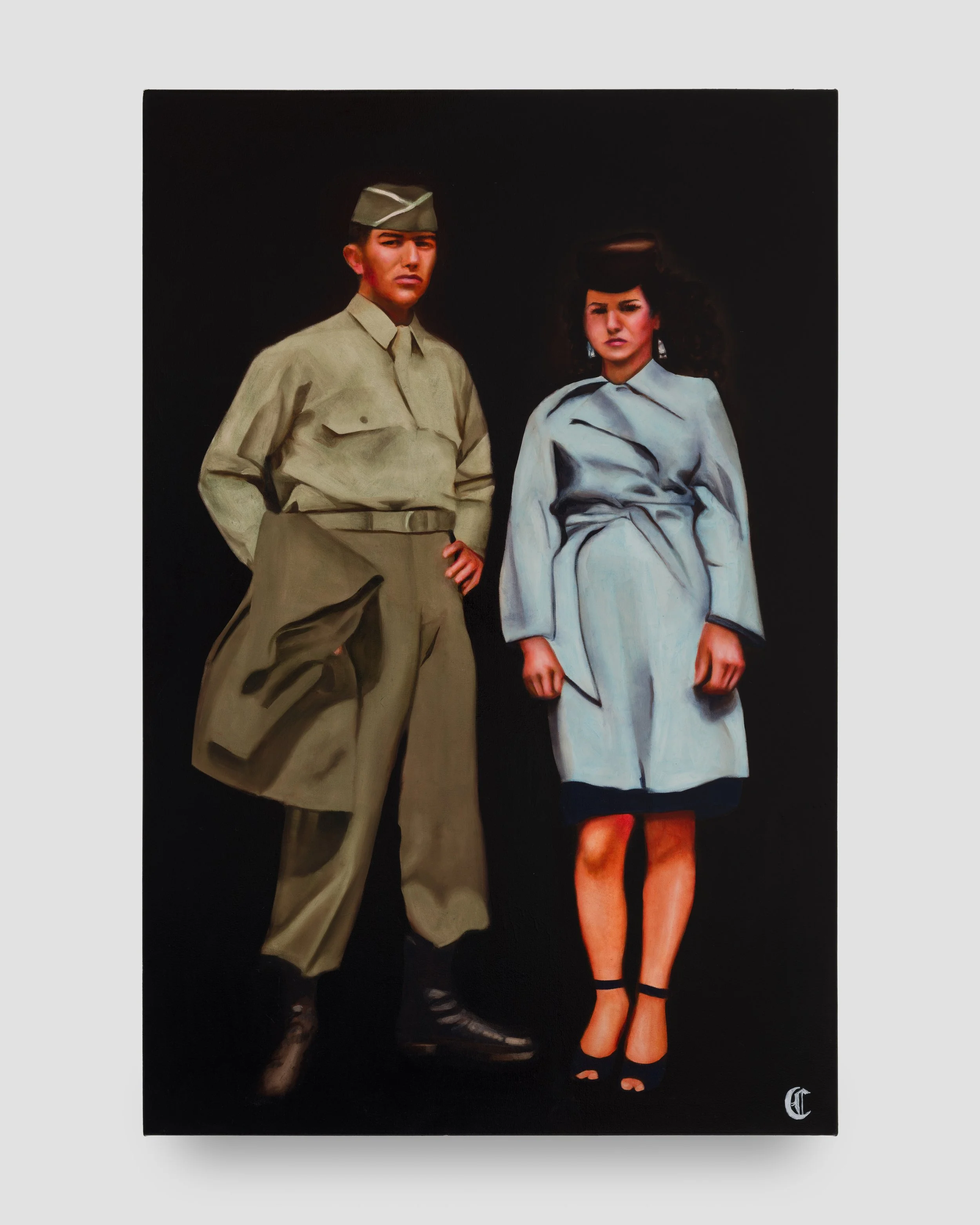
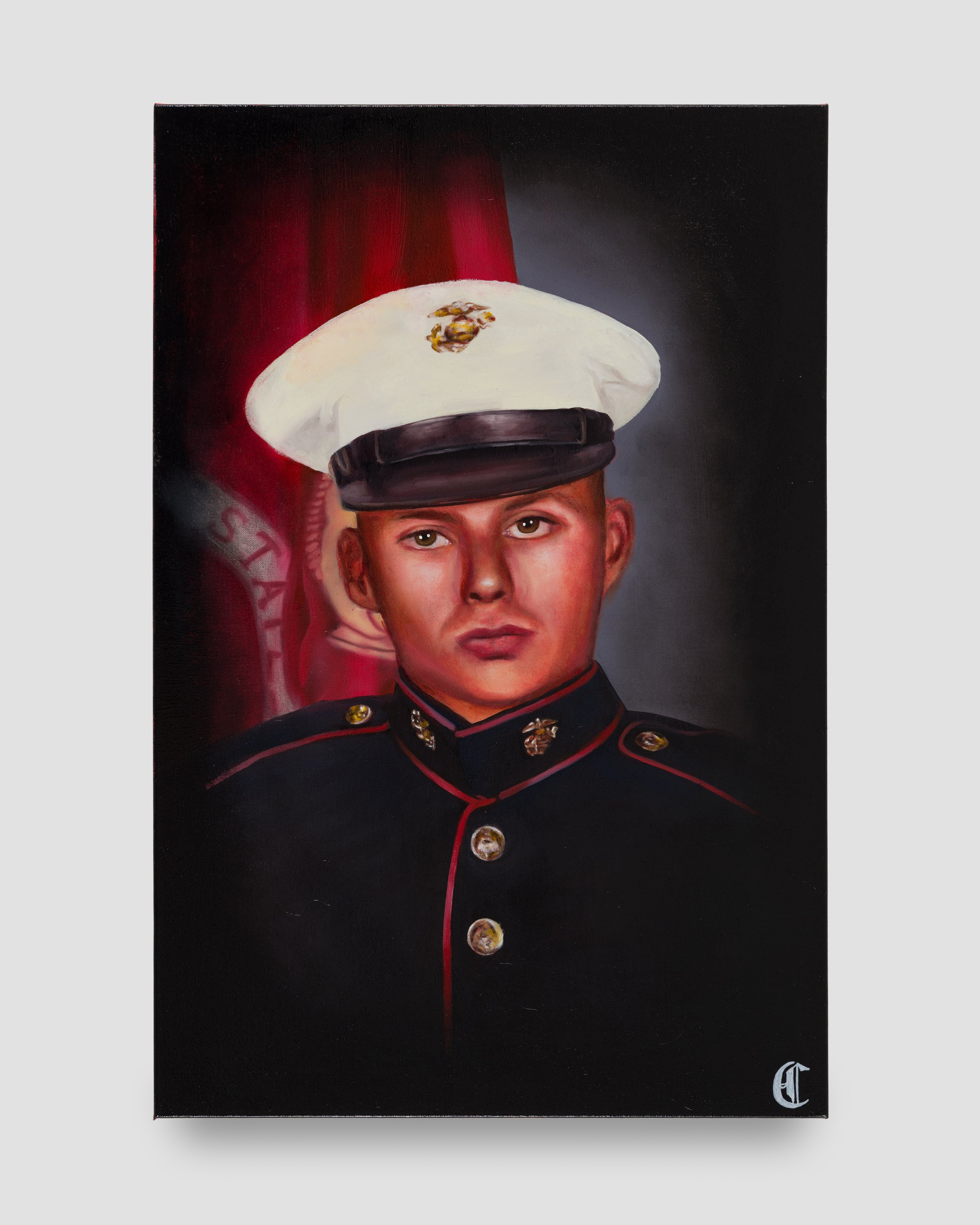
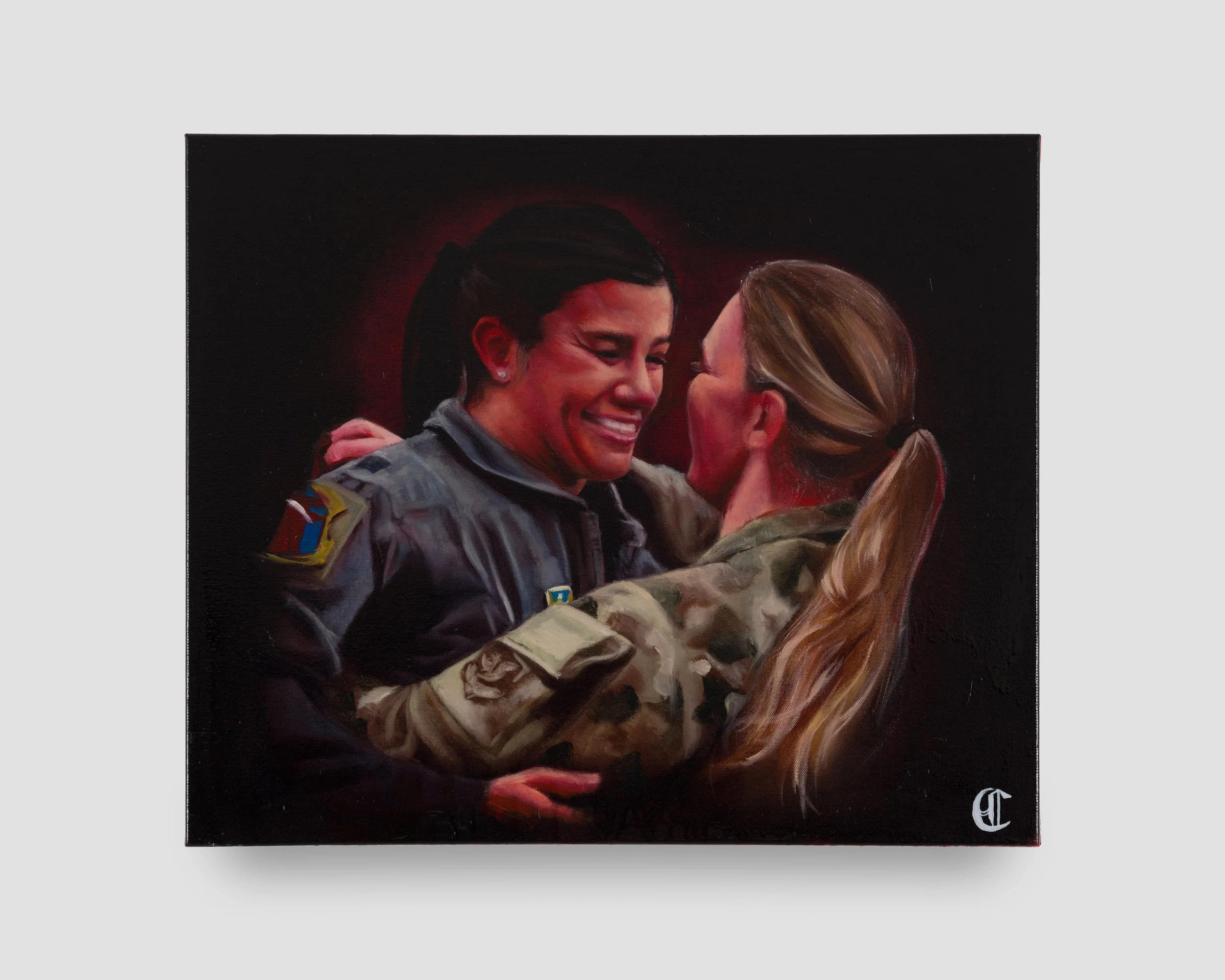
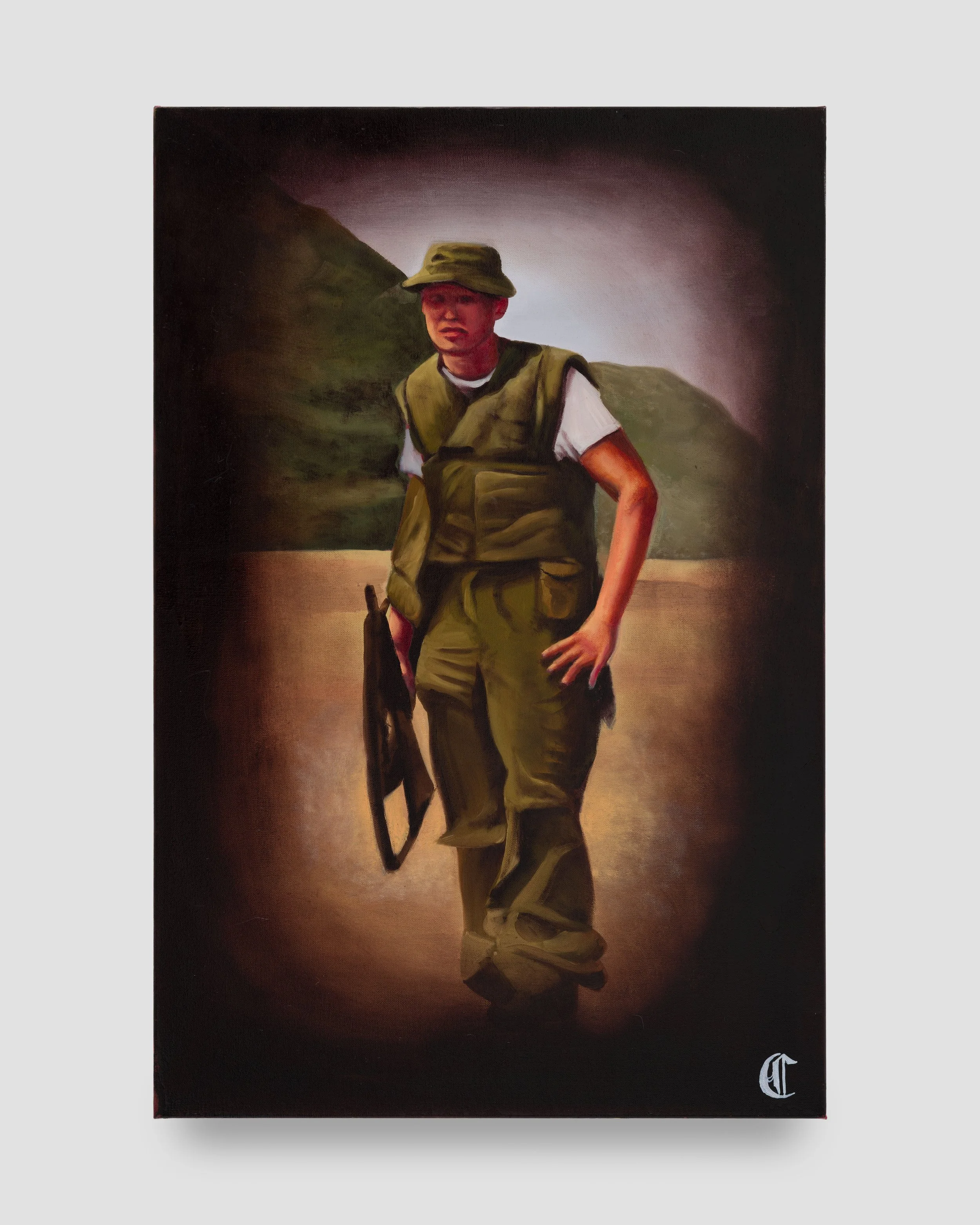
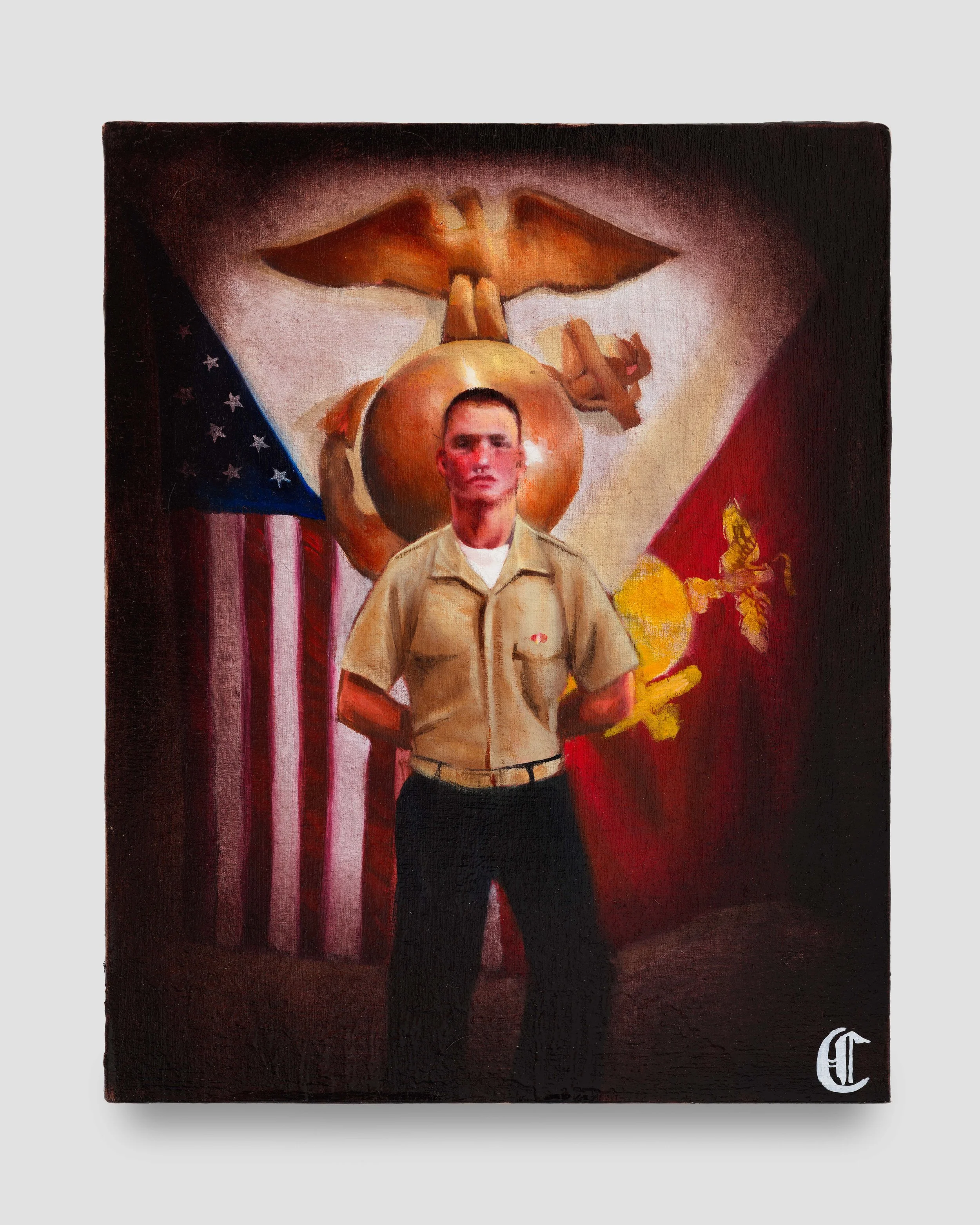
Charlie James Gallery is pleased to present Acts of Service, an exhibition of new paintings by Los Angeles artist Danie Cansino. The works in this exhibition explore two great forces that have shaped the lives of the figures who populate them: military service and mass incarceration. Cansino’s lavish paintings employ 18th-century Baroque techniques to create lush, dramatically-lit canvases that feel like they have risen out of the dark haze of long-lost memory. Drawing from a vast archive of family stories and photographs, Cansino’s portraits of family members in uniform and the loved ones who surrounded them embody the intergenerational layers of pride, love, and loss that characterize this particularly American striving for a better future.
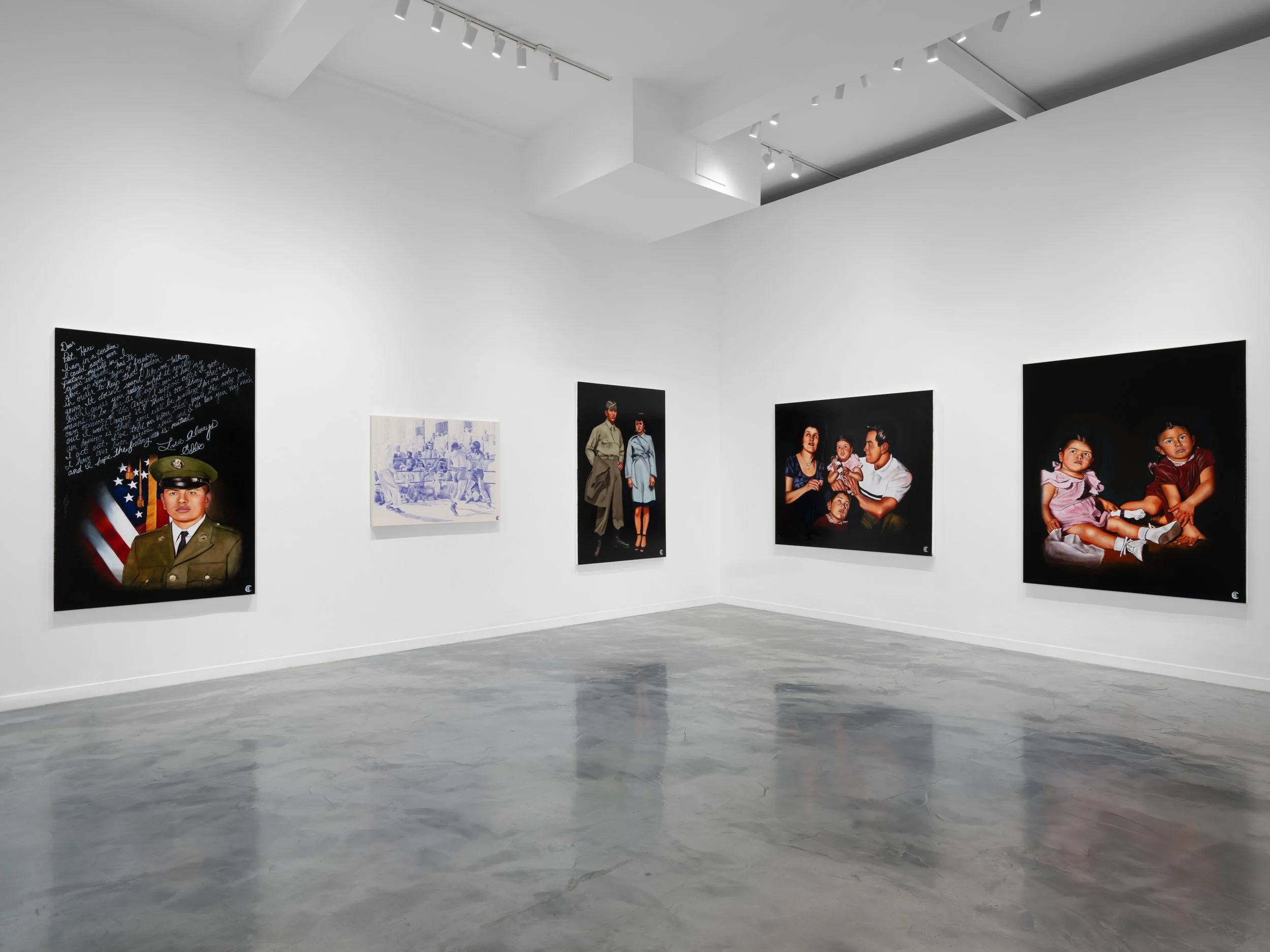
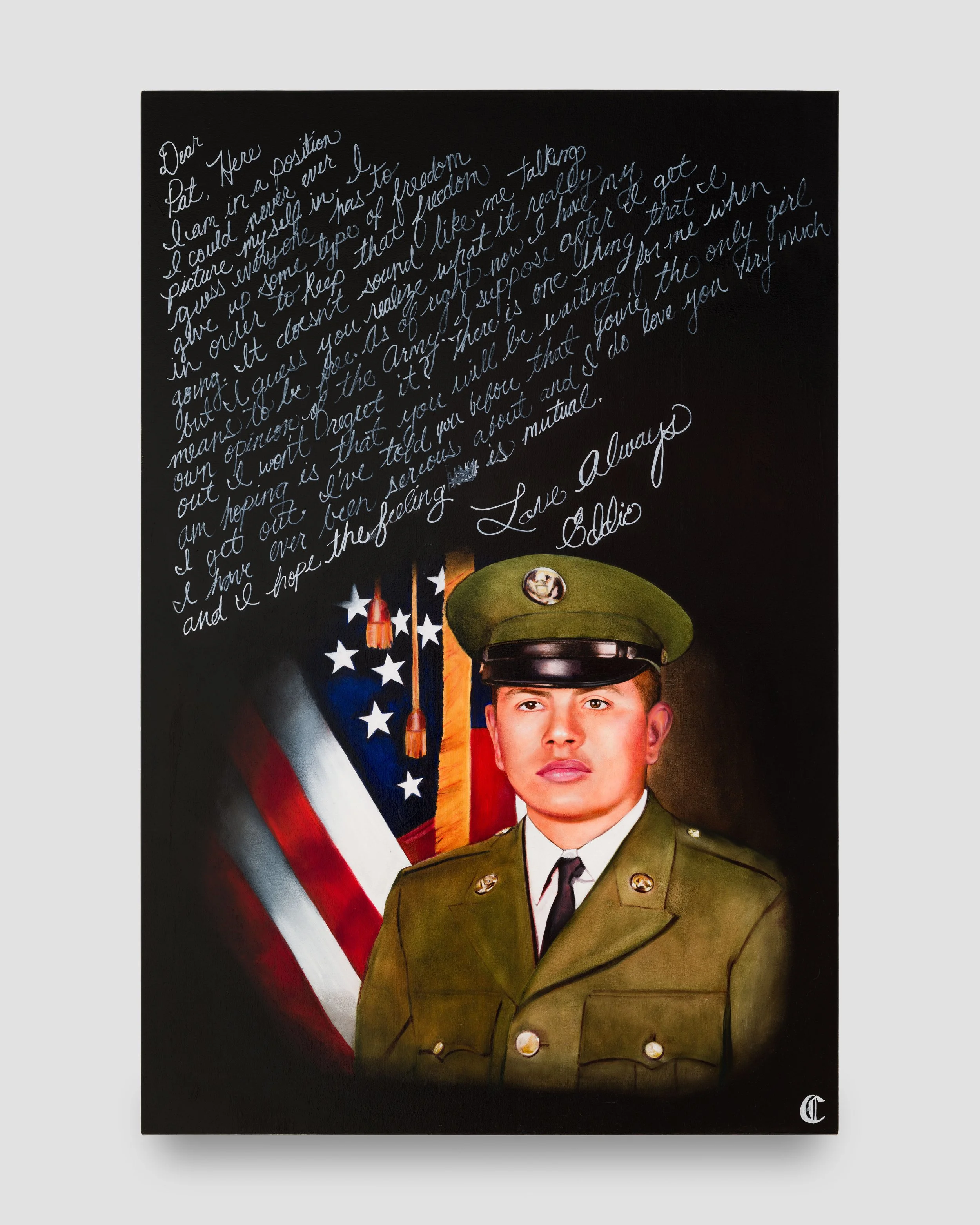
With this new body of work, her most personal to date, Cansino grapples with the realities of the mid-twentieth century American dream, the promise of which is never simply fulfilled. Generations of the artist’s Chicano family have turned to military service as a way to reach for security and success, and, when that fails, to more extra-legal means of making ends meet. The figures that populate these portraits present an array of human emotion: they are proud and scared, hesitant and eager, closeted and joyfully themselves. This is most poignantly rendered in Love Always, Eddie, which includes both a formal military portrait and the tender message found on the photograph’s verso. The message, its script a looping reference to Cansino’s own practice as a tattoo artist, questions the meaning of freedom and what is relinquished in its name, its deep reluctance mastered only by its heavy sense of resignation. Cansino renders her subjects tenderly, each work opening a shadowed window into history that complicates the stories it holds, inviting empathy for choices made in the name of duty.
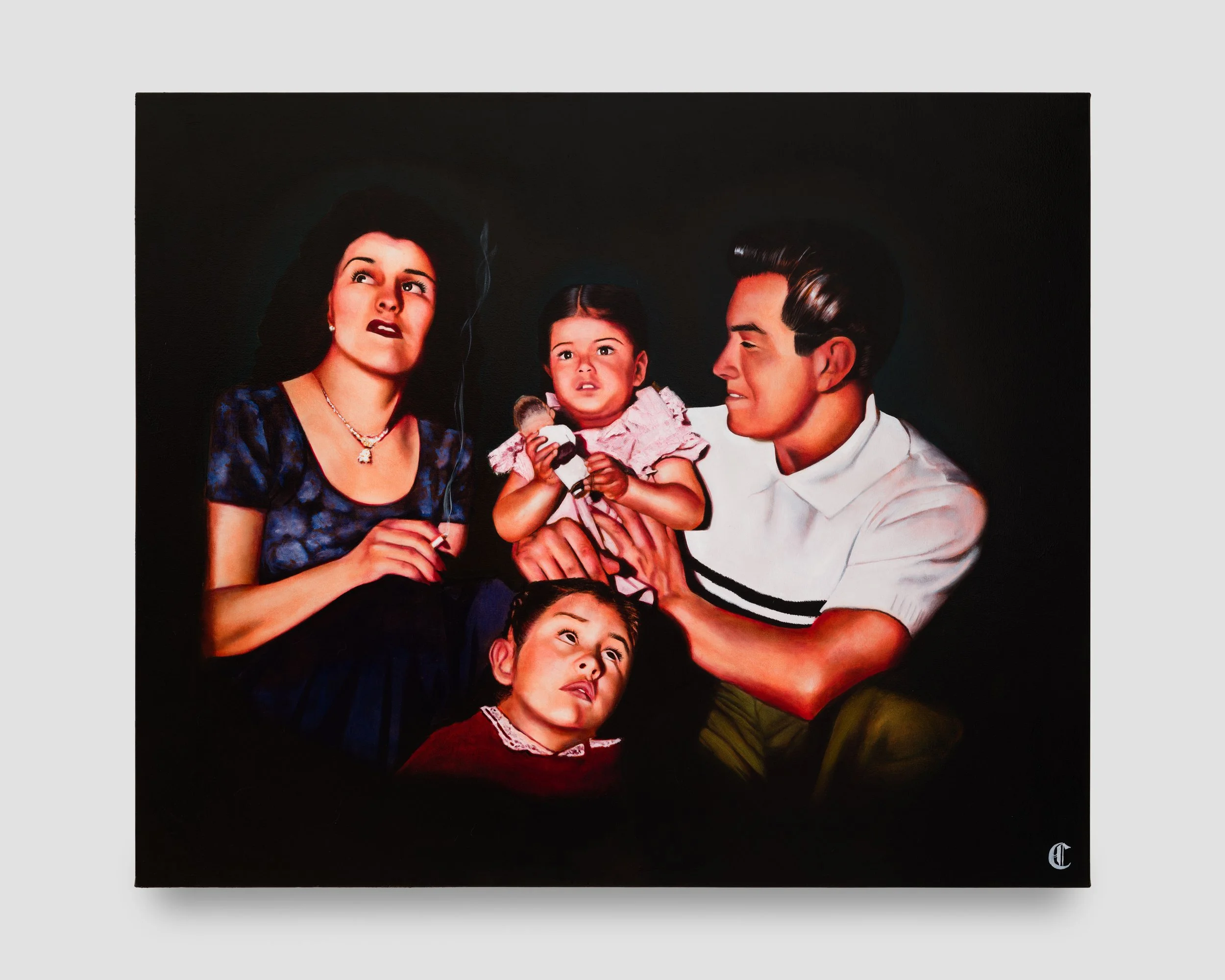
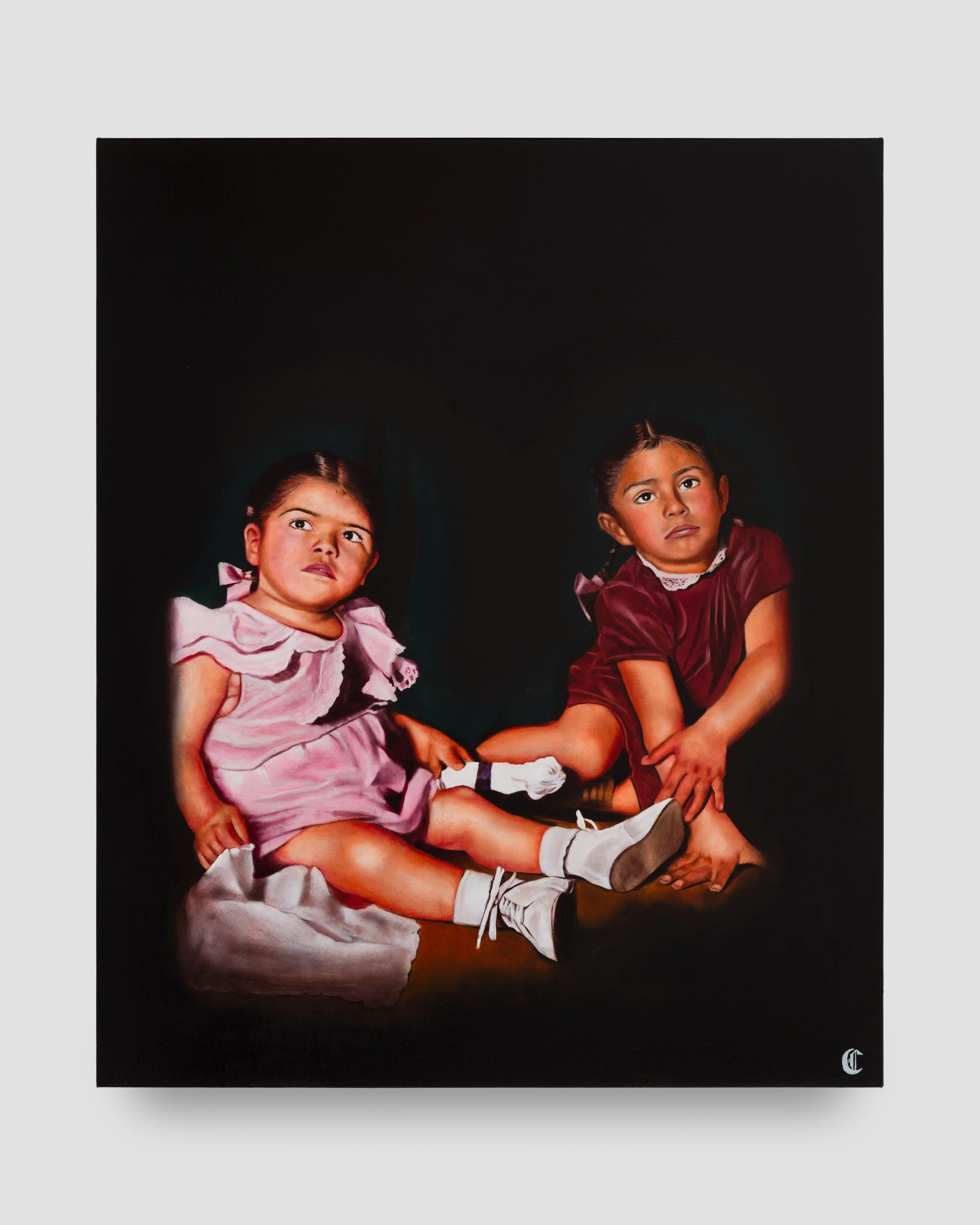
Cansino’s rich style builds upon techniques of 18th century Baroque painting. Using a traditional grisaille technique, she completes the detailed linework in underpainting before adding color and shading in built-up layers of glaze. This results in richly toned, deeply saturated color that also seems to catch and refract light. A large pair of paintings, American dream and Las Meninas, illustrate the drama of Cansino’s tenebrist approach to lighting. Both works are based on family snapshots of the artist’s grandparents and two young aunts. In both, the figures seem to emerge from a dense black void, brought forward into a warm, enveloping light that sets off each fold of cloth and infuses skin with a radiant glow. Throughout this body of work, the ’ luminous transparency of Cansino’s surfaces suggests the lush – and sometimes warped – textures of midcentury photography. At the same time, the paintings’ dramatic lighting and crisp photorealism that blurs to hazy edges gives the feeling of peering through history, of catching these figures in snapshots from an expansive story.
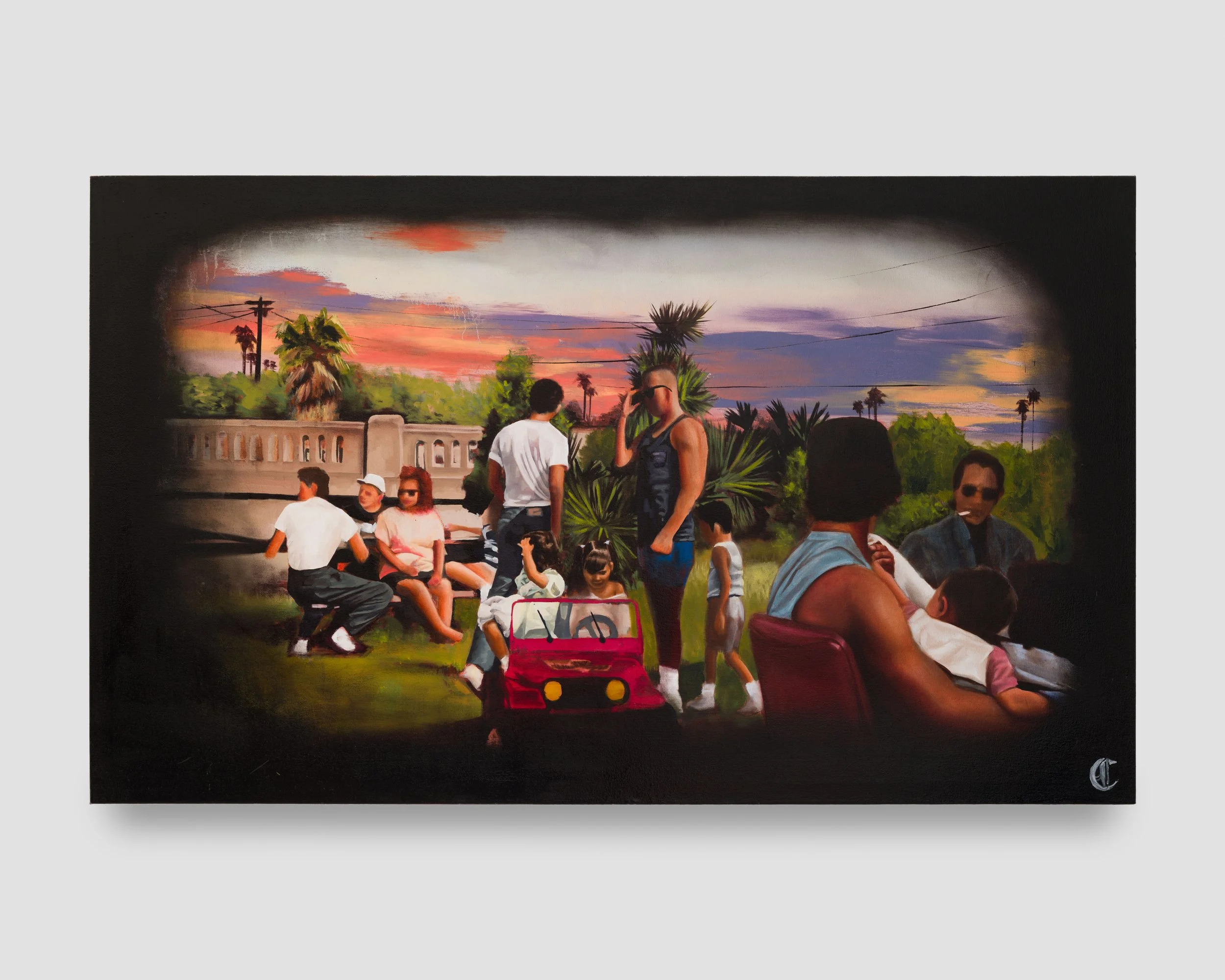
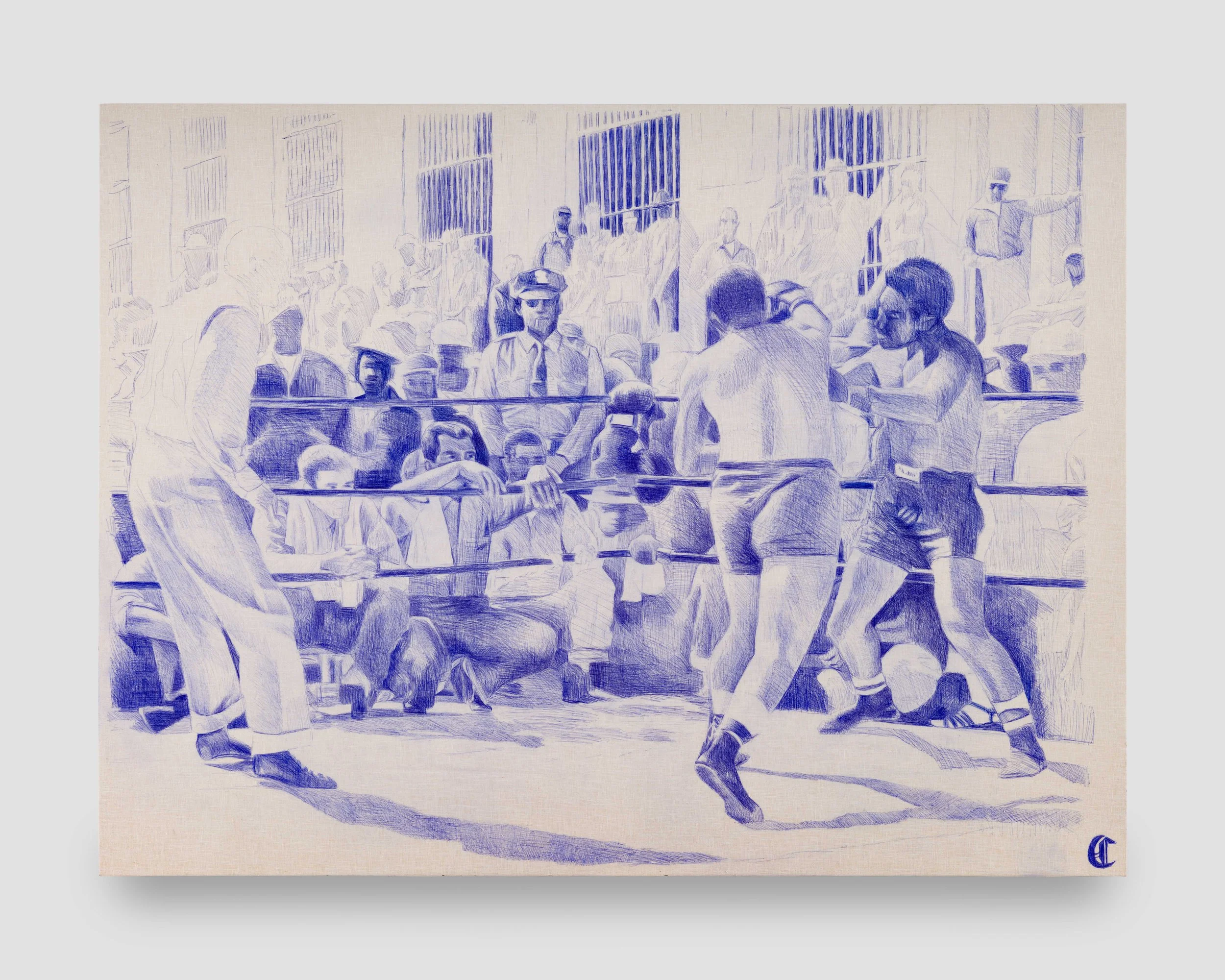
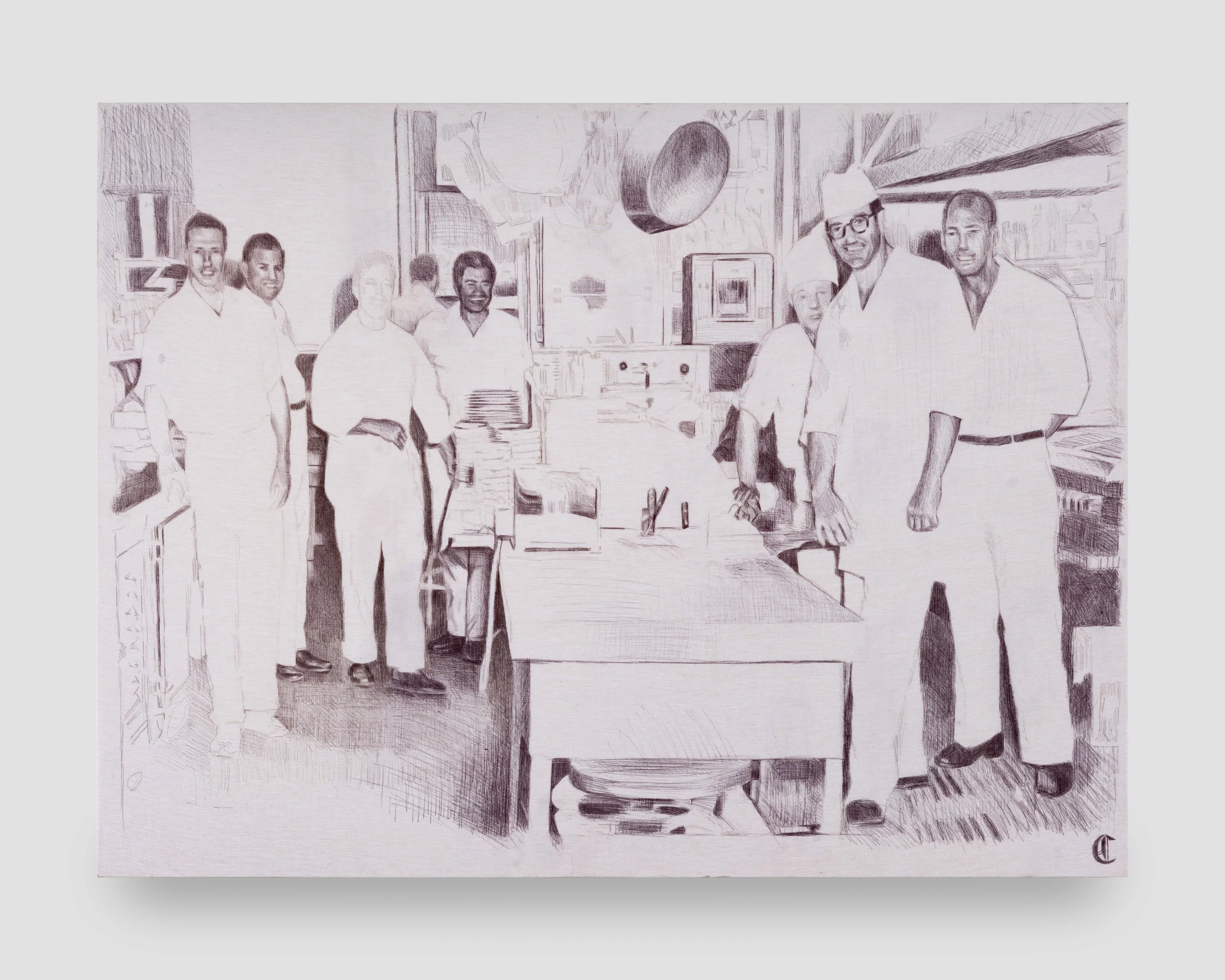
Many of the works feature Cansino’s grandfather, nicknamed Chuta, who served as a paratrooper in WWII, and who later spent nearly a decade in Folsom prison after a wrongful search and seizure. Two pen on linen drawings capture scenes from his time in Folsom. Taking the form of Paños, or drawings on simple prison linens popularized among incarcerated Chicanos throughout the 20th century, these half-rendered acts of resistance make real the gaps inherent in any archive. Details are lost and features fade, mimicking the gradual fading of story into memory. Chuta’s journey from proud servicemember to serving time can be traced through the exhibition, and also through subsequent generations of the family tree – various uncles and cousins show up in uniform for most of the conflicts of the latter 20th century. The questions of freedom and purpose raised in Love Always, Eddie find their answers in 4th of July, a sunset family gathering that features the artist in the driver’s seat of a children’s toy car, the portrait of an American dream fulfilled.
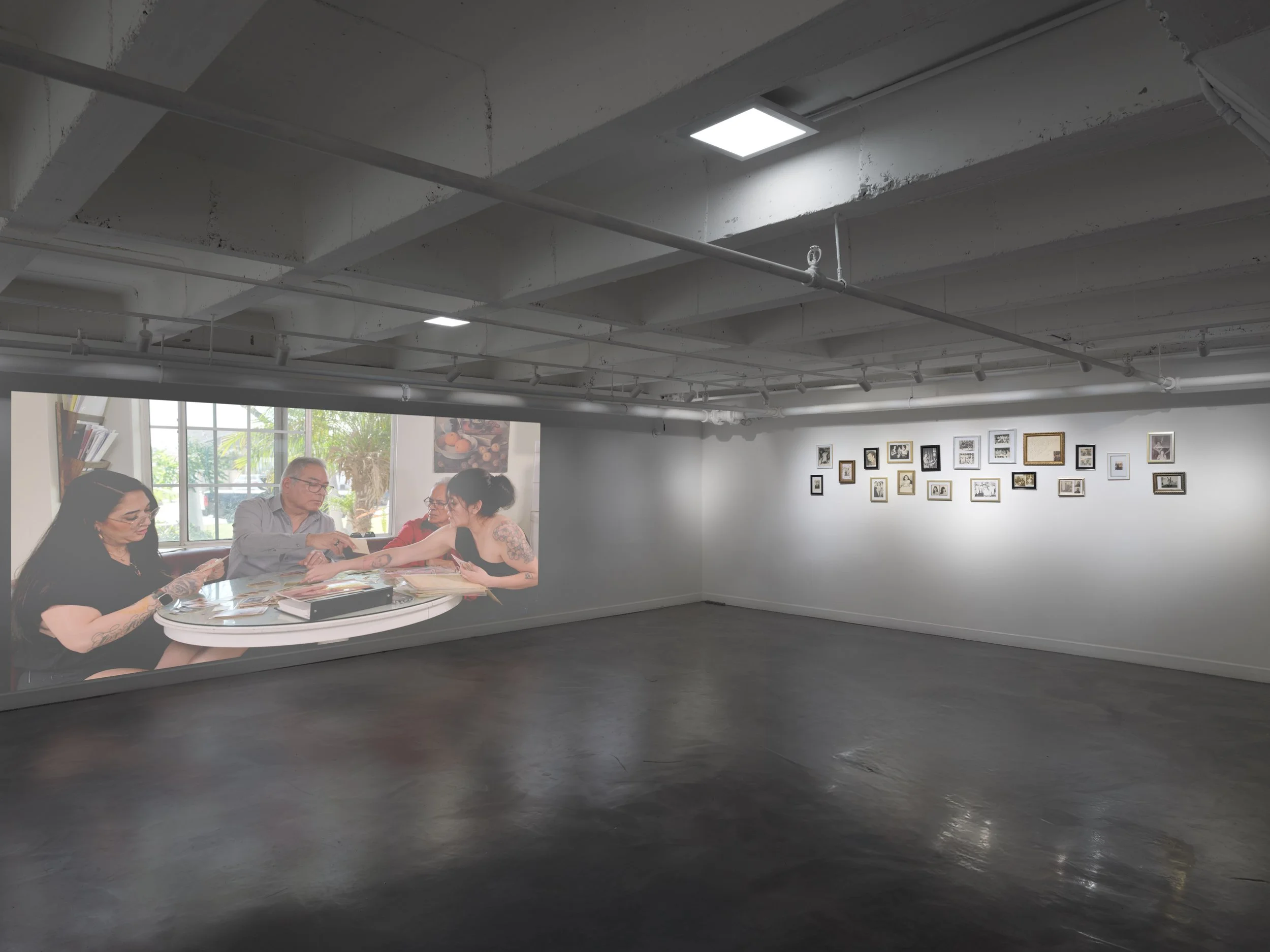
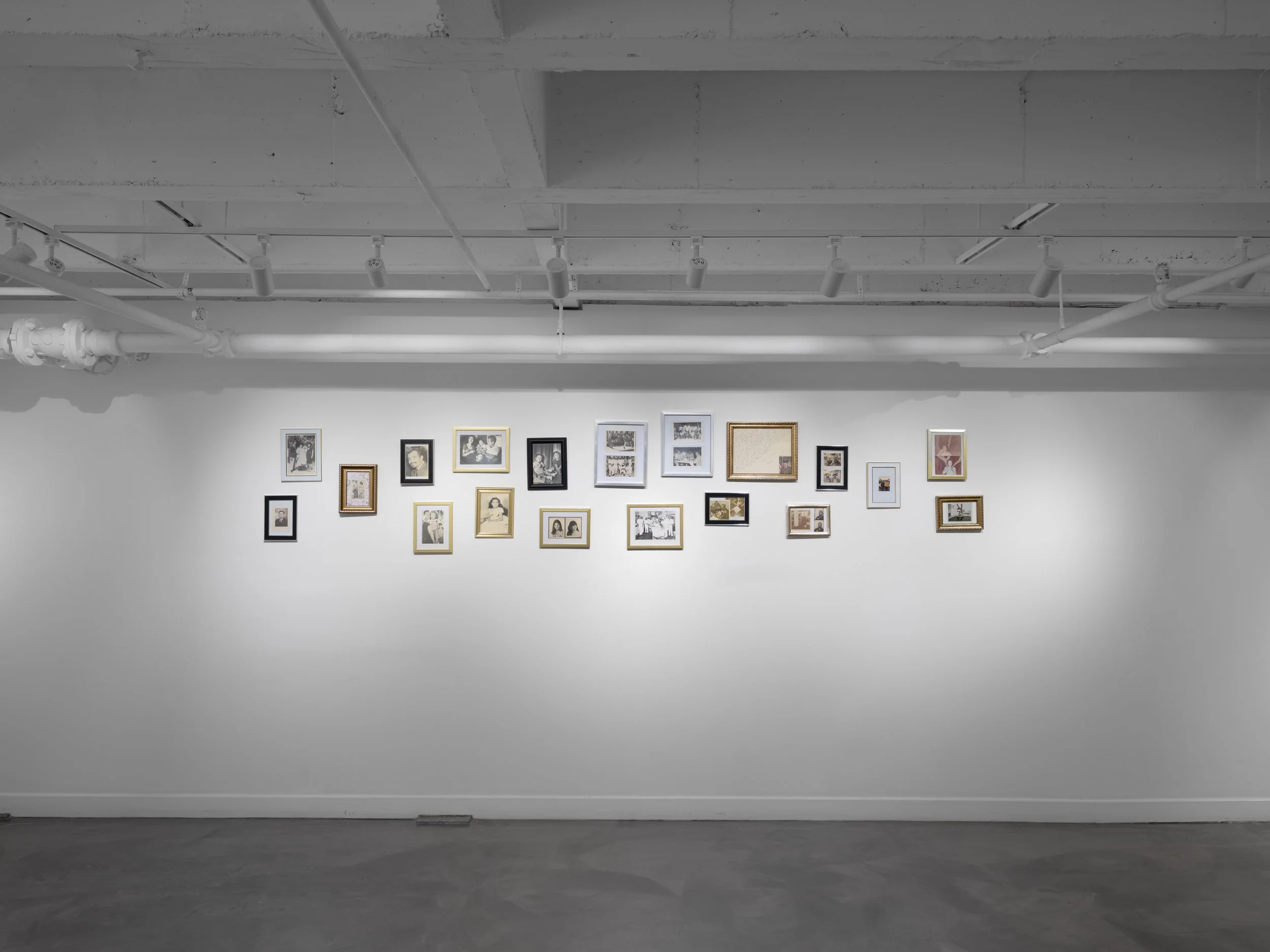
The heart of the exhibition can be found in the downstairs gallery, where the exhibition’s titular piece, a 13-minute video of the artist’s uncle sifting through the family photo archive, plays on a loop. This is accompanied by a salon hang of the photos themselves, each of which has been translated into a painting upstairs. The video work embodies the many valences of service: not only the military and penal service depicted in the photos, but also the sharing and preserving of family stories and the coaxing of memory through the fog of loss by the once-familiar faces that populate the album.
Danie Cansino (b. 1986) is an artist and educator living and working in Los Angeles. Cansino completed her Master of Fine Arts degree at the University of Southern California, and is an Adjunct Professor of USC Roski School of Art and Design. Cansino's work has been featured in ArtForum, Artillery, and ArtNews magazine. Her work resides in the collections of the Rubell Museum, Museum of Fine Arts Houston, AltaMed, in addition to numerous private collections. She has exhibited in the Rubell Museum, MFA Houston, Long Beach Museum of Art, Muzeo Museum, Vincent Price Museum, UCLA, AMOCA, UTA Artists Space, Felix Art Fair, Human Resources Gallery, The Mistake Room, USC Roski, Tlaloc studios and Charlie James Gallery. Her work is currently on view in “Frida: The Making of an Icon” at the MFA Houston, before traveling to the Tate Modern in Fall 2026. Danie Cansino is represented by Charlie James Gallery, Los Angeles.
Selected Works
Installation