Burning Desires
Nehemiah Cisneros
Burning Desires
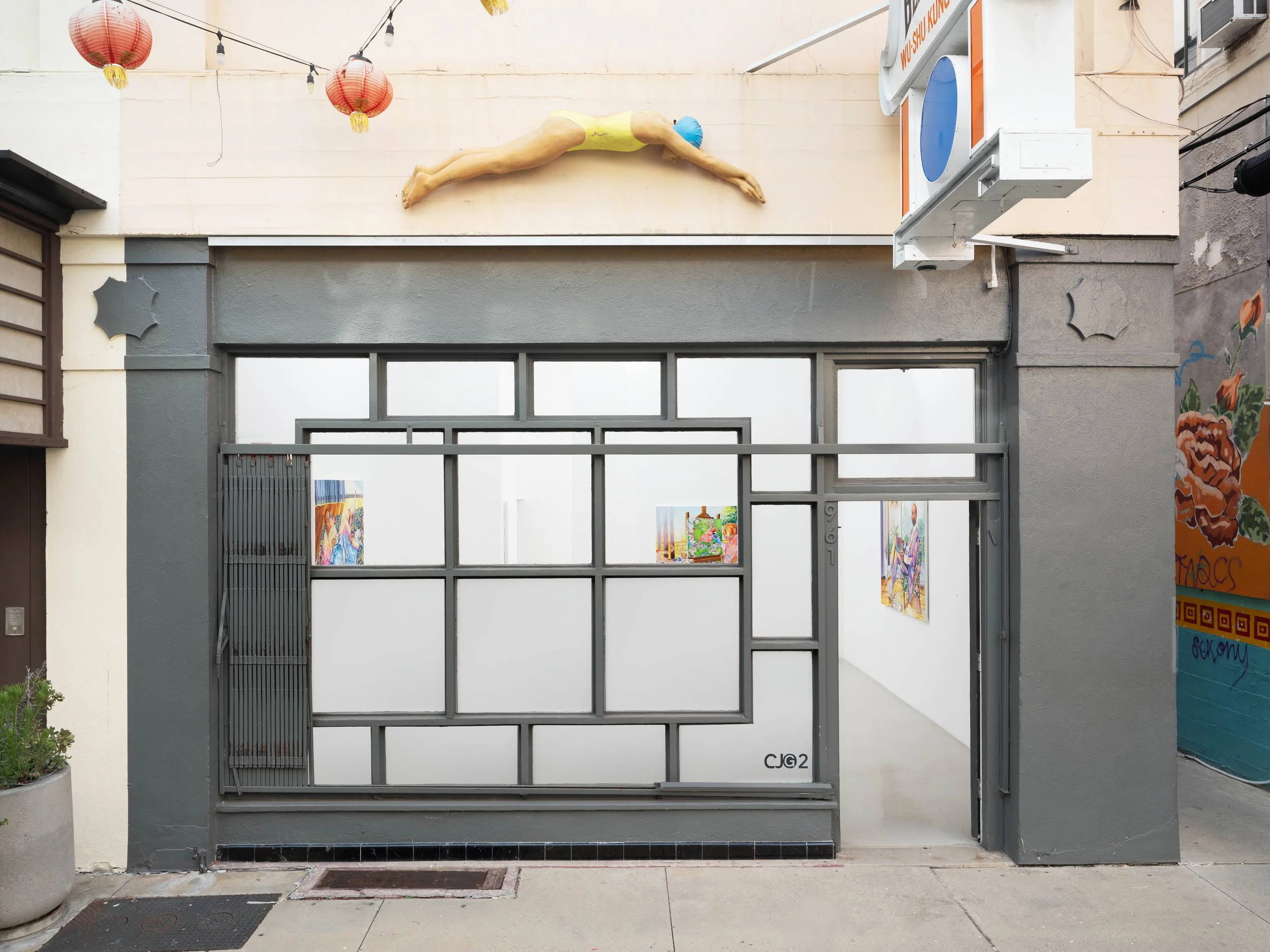
961 Chung King Road
April 17 - May 23, 2026
OPENING RECEPTION: friday April 17, 5-8pm
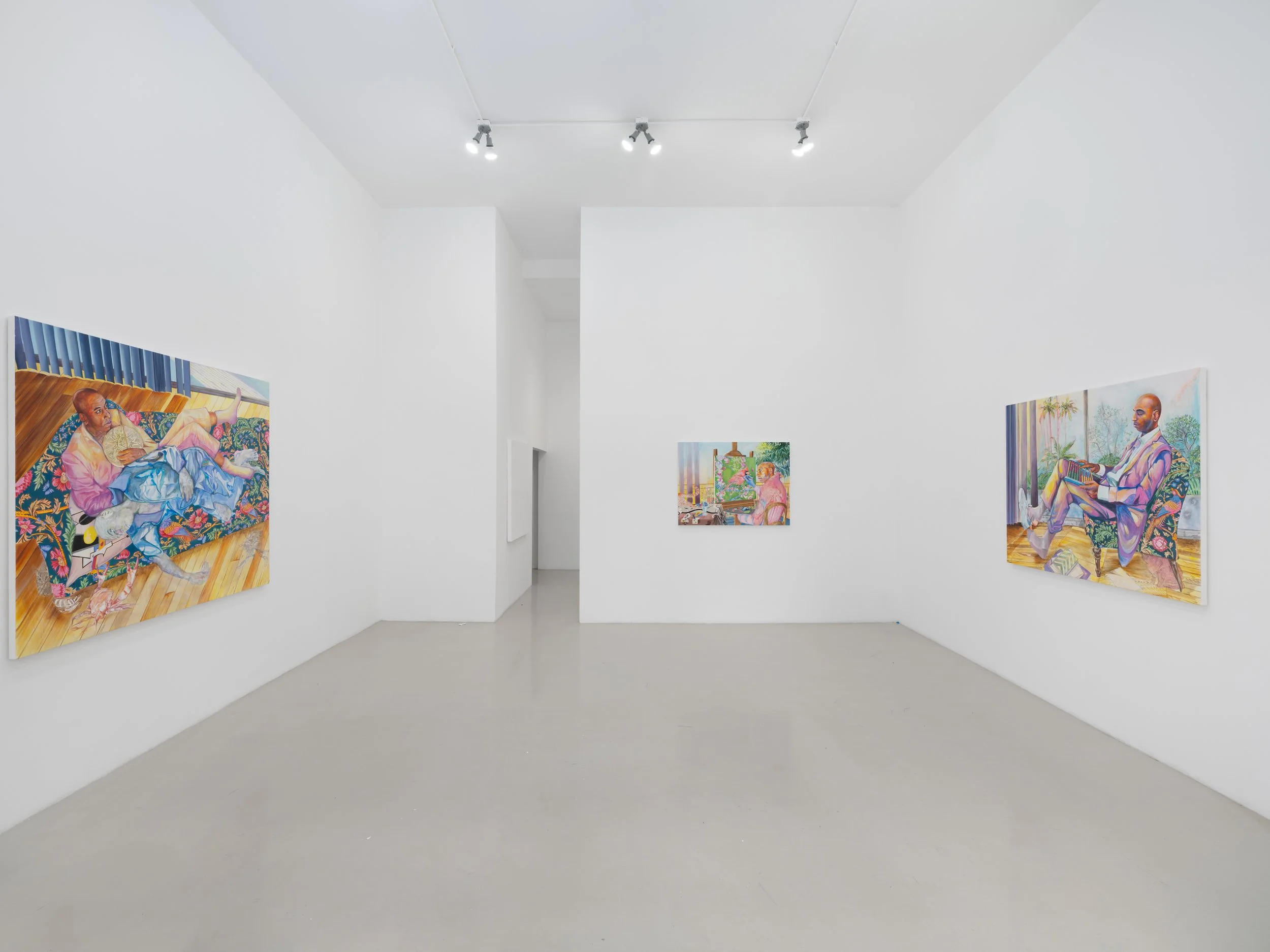
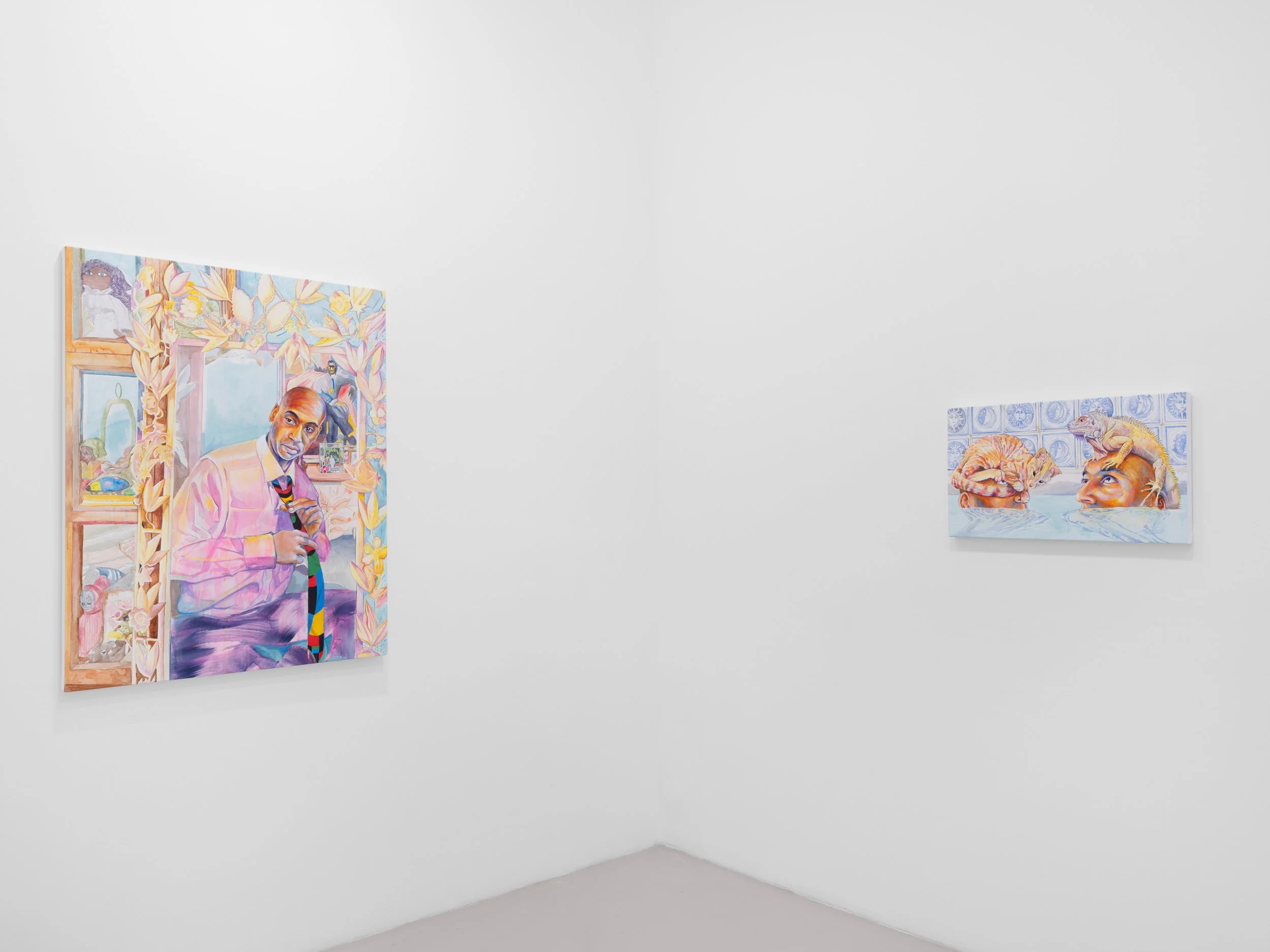
Charlie James Gallery is pleased to present Nehemiah Cisneros: Burning Desires, an exhibition of new paintings by the Los Angeles-based artist, his first with the gallery. The muted palette and soft finish of the paintings in Burning Desires constitutes a brand-new body of work for Cisneros, whose previous work drew heavily on the flattened space, bold color, and outlandish figuration of comics and street art. This new direction finds him adopting a more introspective stance, exploring themes of growth and change and remixing art history in a suite of intimate self-portraits that serve as imaginative diary entries that transform the mundanity of domestic living into fantastical, allegorical scenes.
Cisneros says of these new works, “I'm discovering wonderment with themes of serenity. Serenity is a new subject for me, [one] that's exciting, shocking, and unexpected, which is what energizes my practice.” The title of the exhibition references a thought that becomes an almost physical need—to share, to connect, to relate. The paintings on view become vehicles for these burning desires, connecting Cisneros to an art historical lineage of portraiture and to the very human act of self-reinvention. In a stark departure from earlier work, the palette is joyful, the paint application is gentle, and the figures grapple with their own place in the long history of figurative painting.
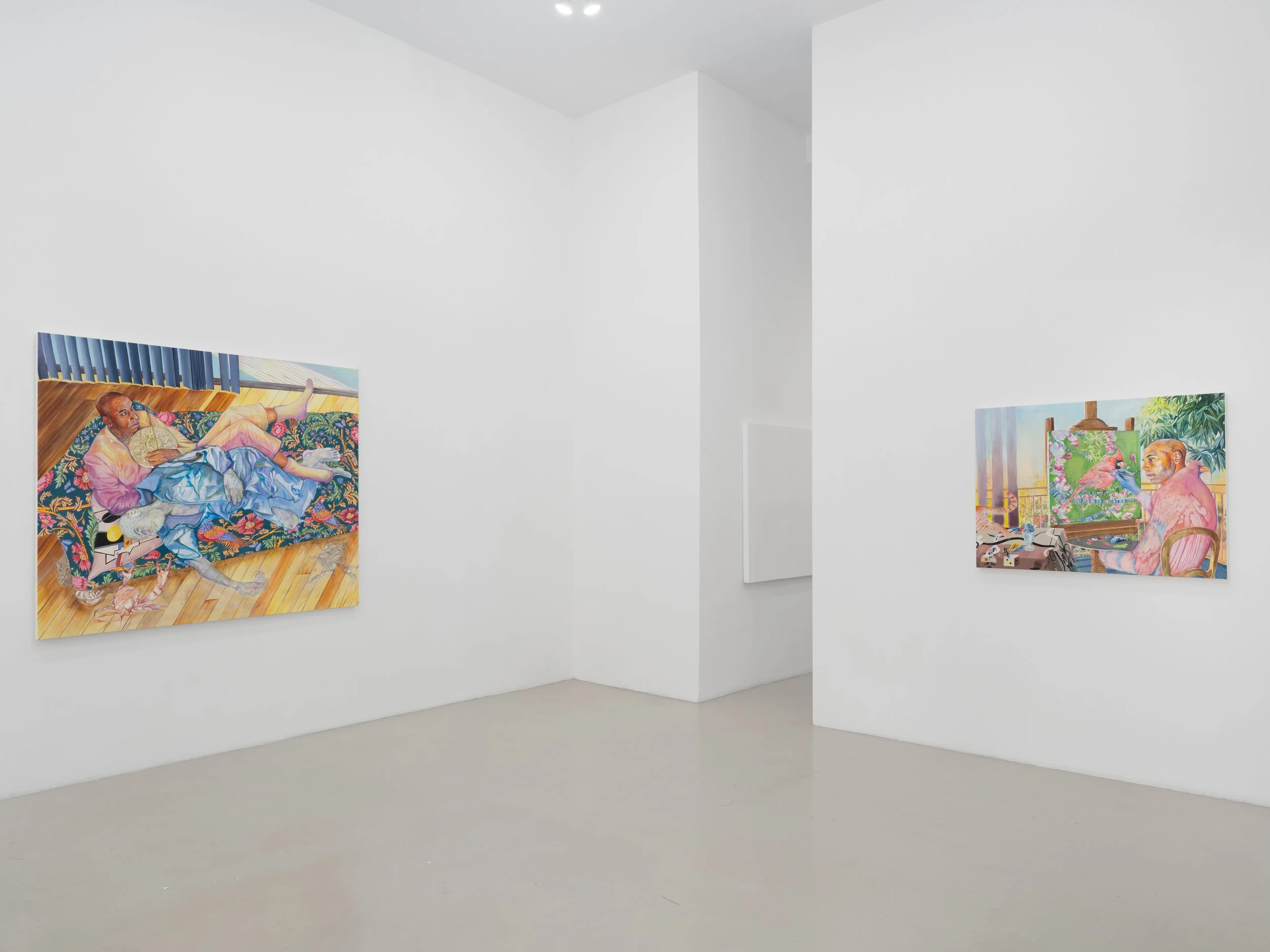
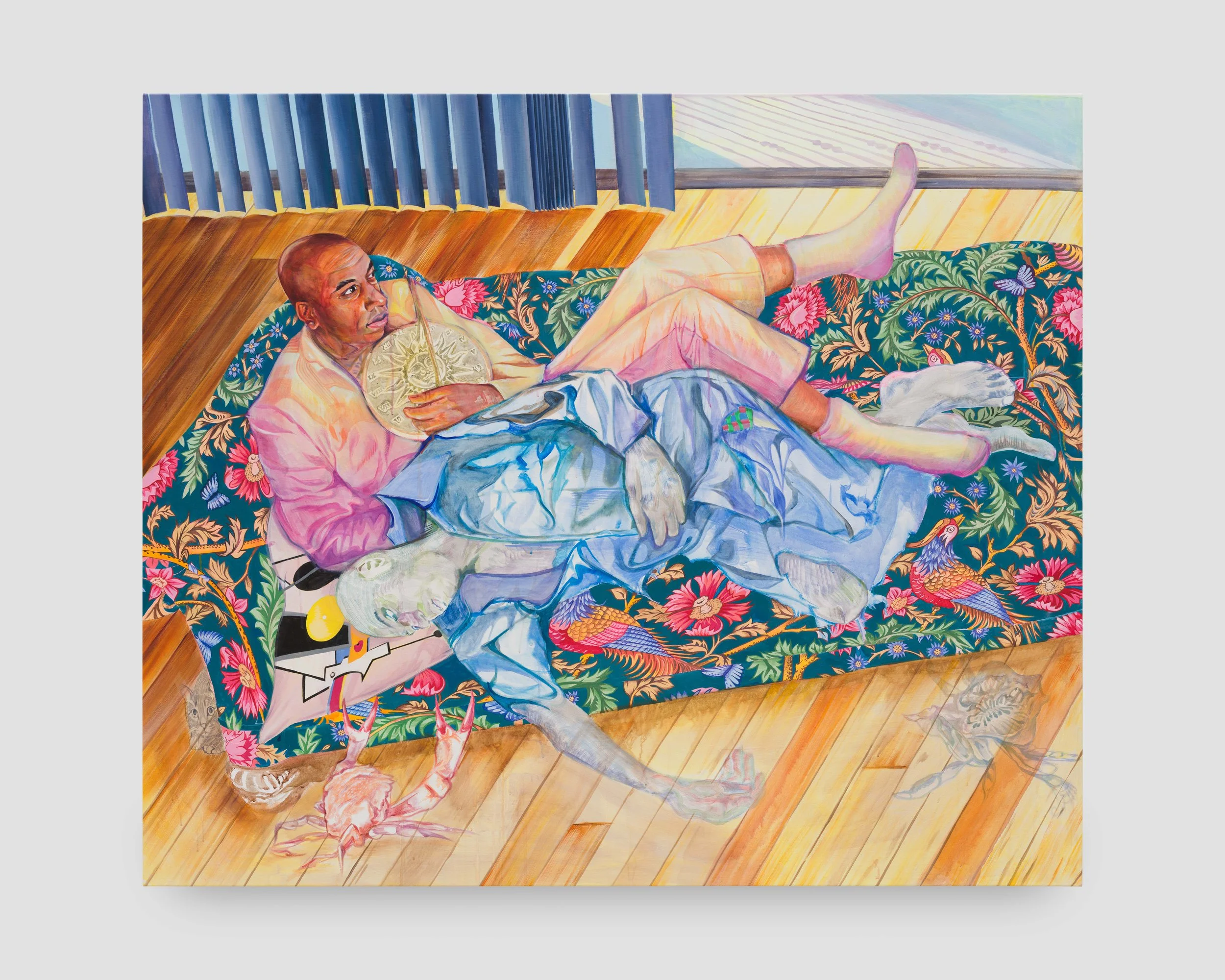
The soft watercolor-style painting lends itself to these domestic scenes, many of which feature the view from the artist’s apartment window, palm trees and giant ferns glowing with the diffuse vibrance of southern California light. This sense of verdant abundance makes its way inside through the dense floral patterning on the upholstery. In Molting, two figures lounge on a long couch, one a pallid shadow-version of the other, as if discarded like an unneeded exoskeleton. The two figures occupy completely different color families, the lifeless blues of the pale figure suggesting a shedding of the past self, while the warm golden pinks of the upper figure cast the future in a hopeful light. The sharply canted floorboards push the scene into the picture plane, lending the composition an unsettled sense of balance.
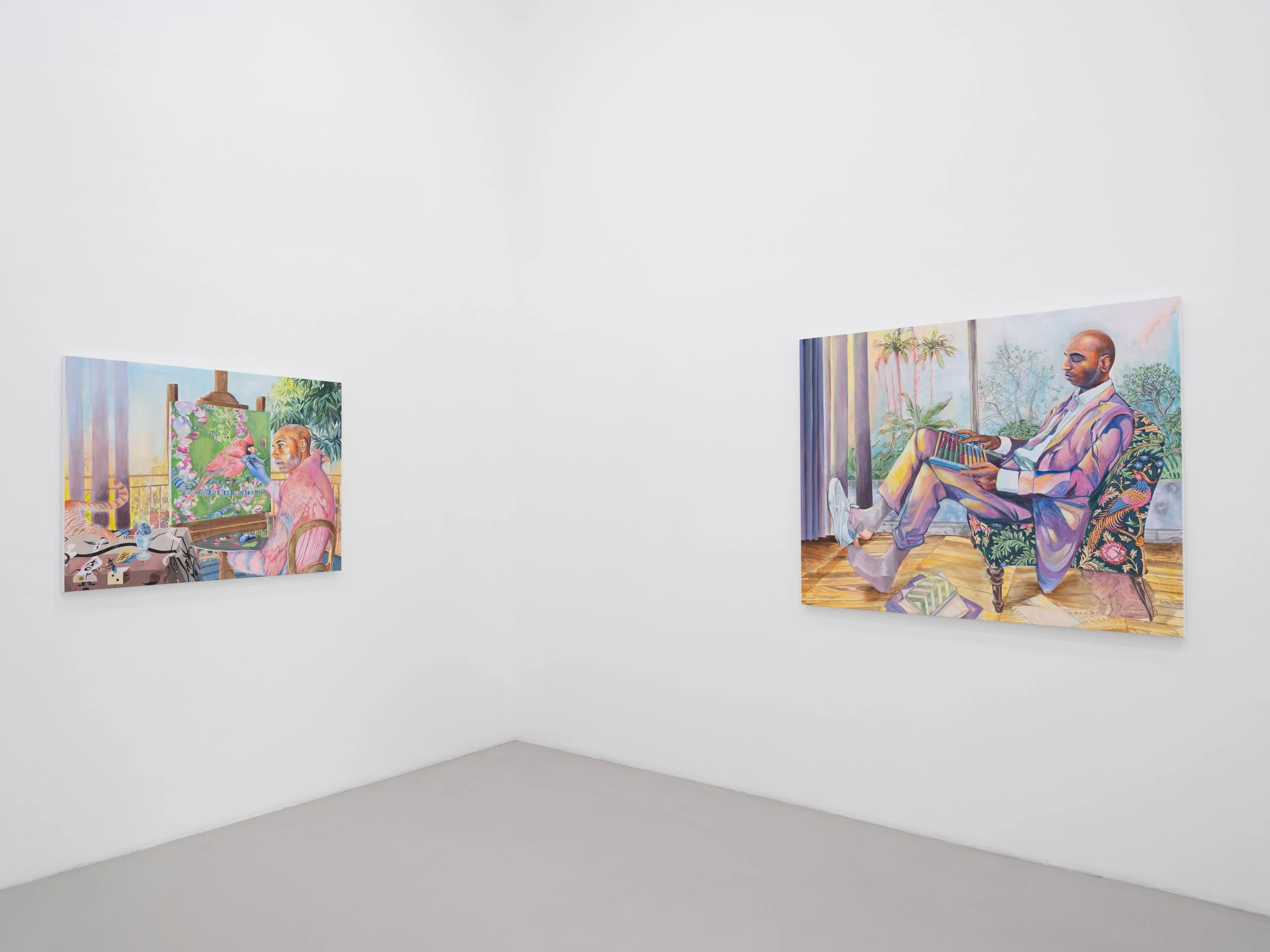
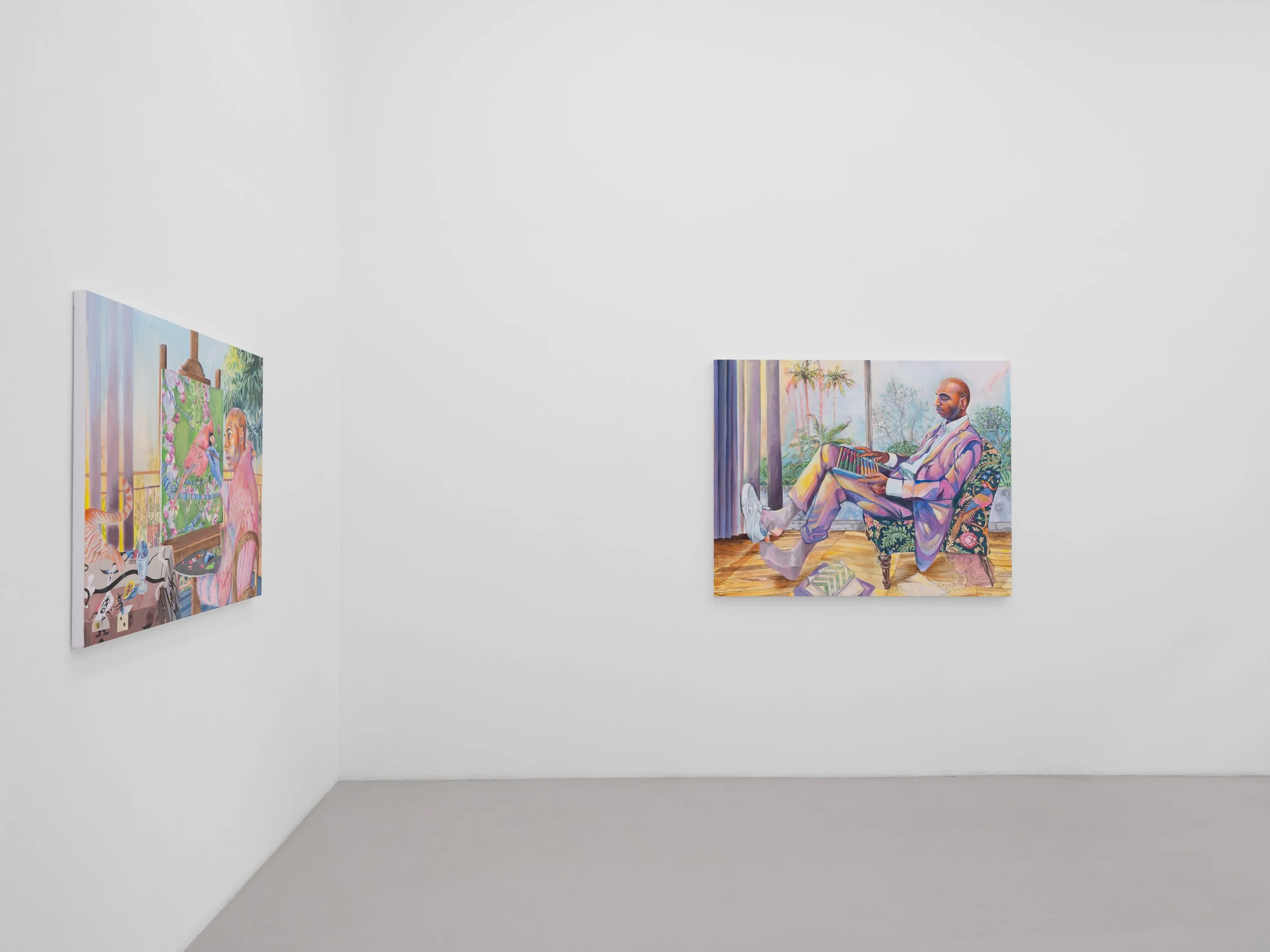
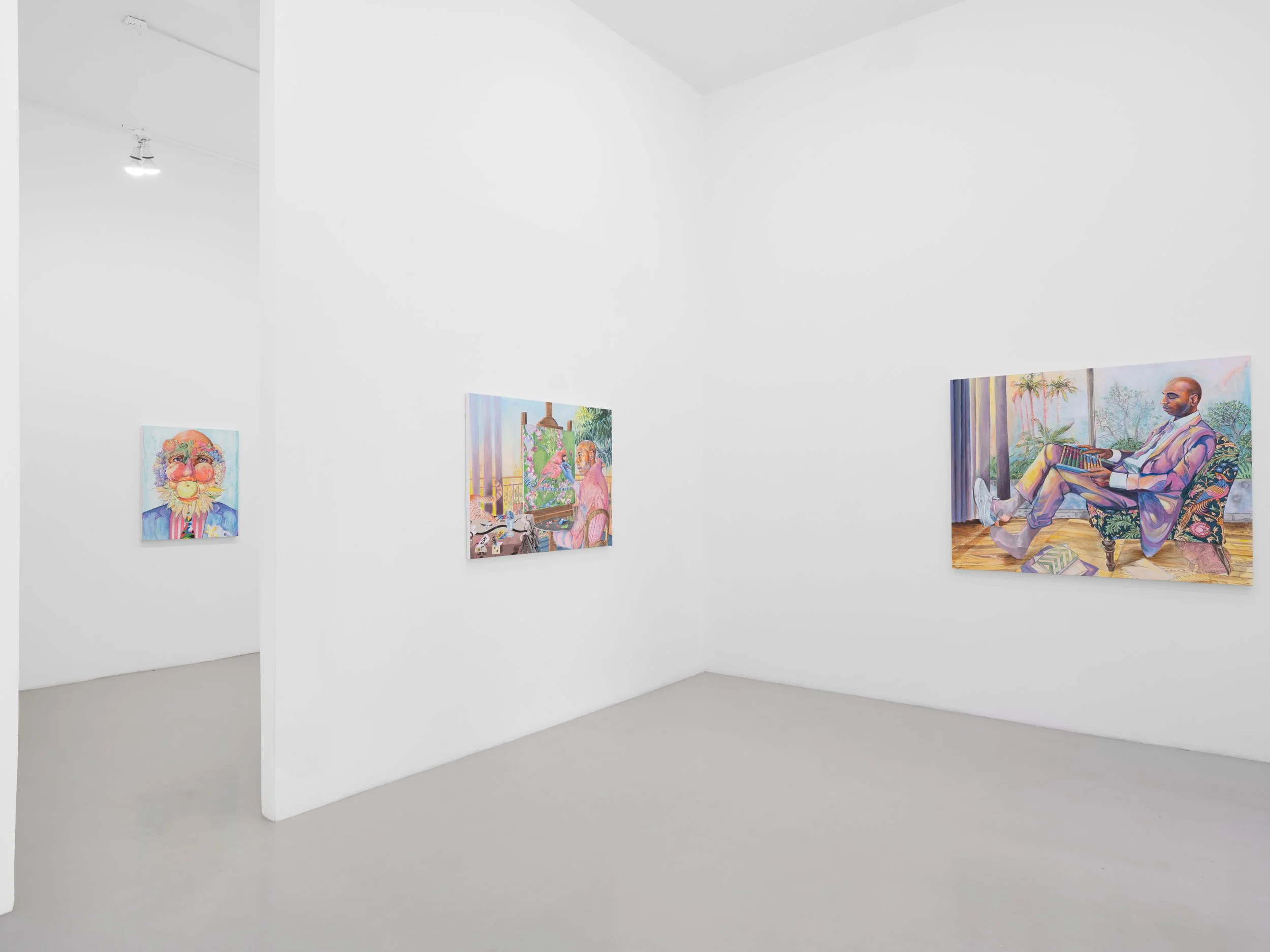
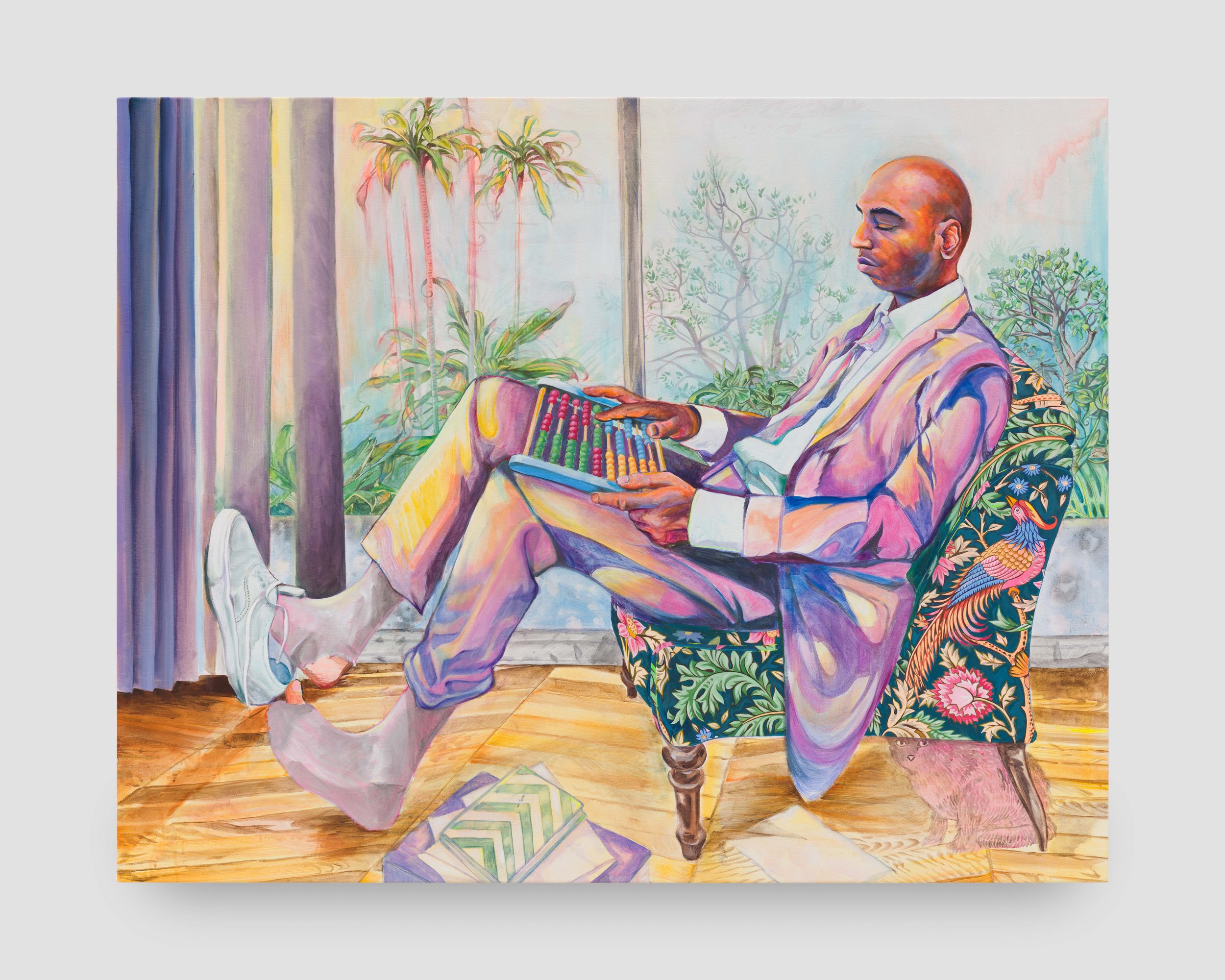
References to the history of painting abound in this body of work. Where Molting brings to mind the early Blue and Rose period paintings of Picasso, Counting borrows its composition from George Grosz's Portrait of Dr. Felix J. Weil (1926), in the collection of LACMA. Grosz’s young doctor becomes Cisneros seated in an armchair before a large picture window, an abacus in place of the papers of the original painting. Cisneros’s figure slips off his casual shoes, revealing socks in desperate need of darning—an indication that perhaps not everything is adding up. The beautiful light and warm pink-purple tones of the figure belie a struggle behind the refined facade, one hidden to the wider world but revealed in this moment of quiet vulnerability.
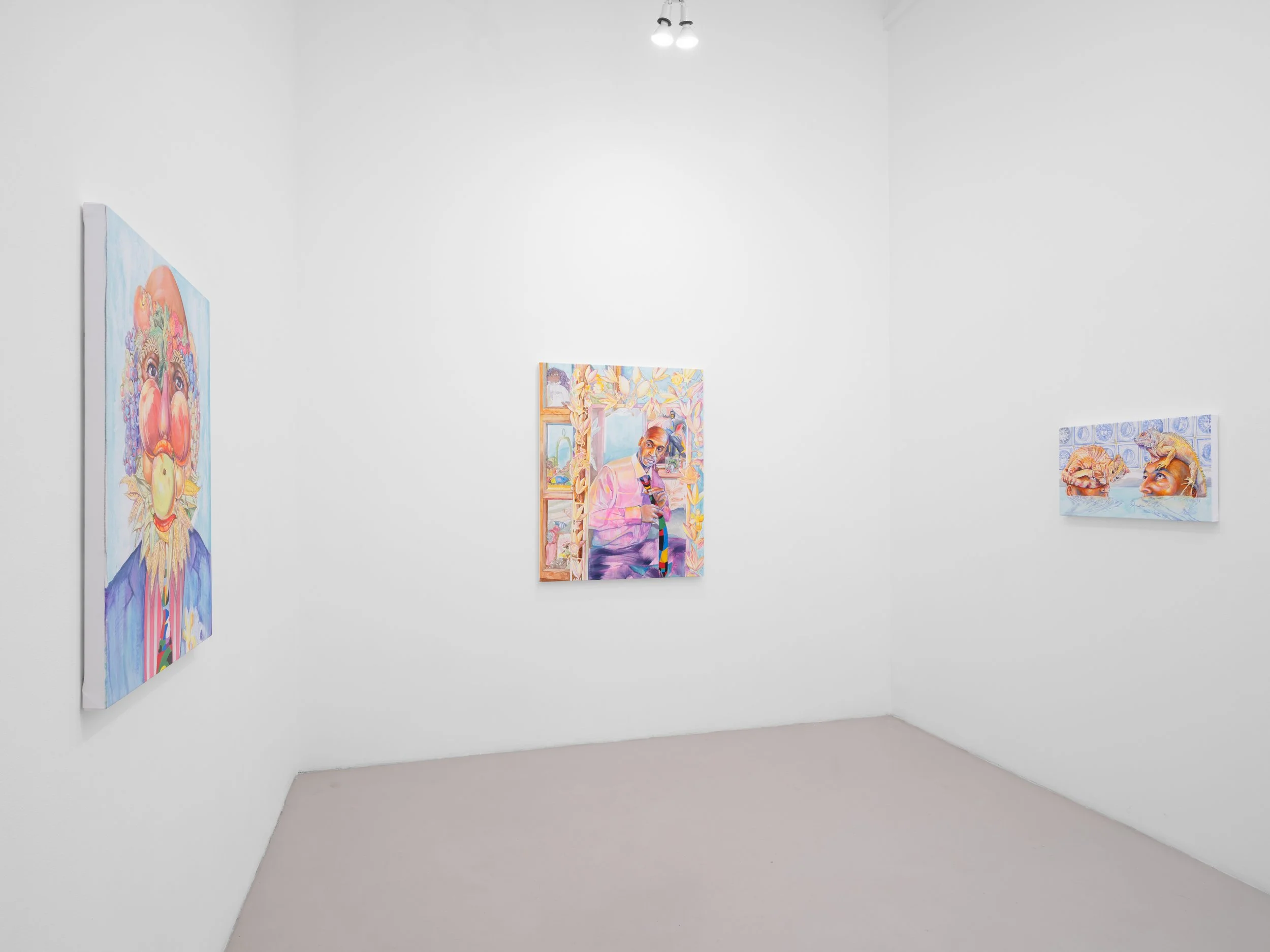
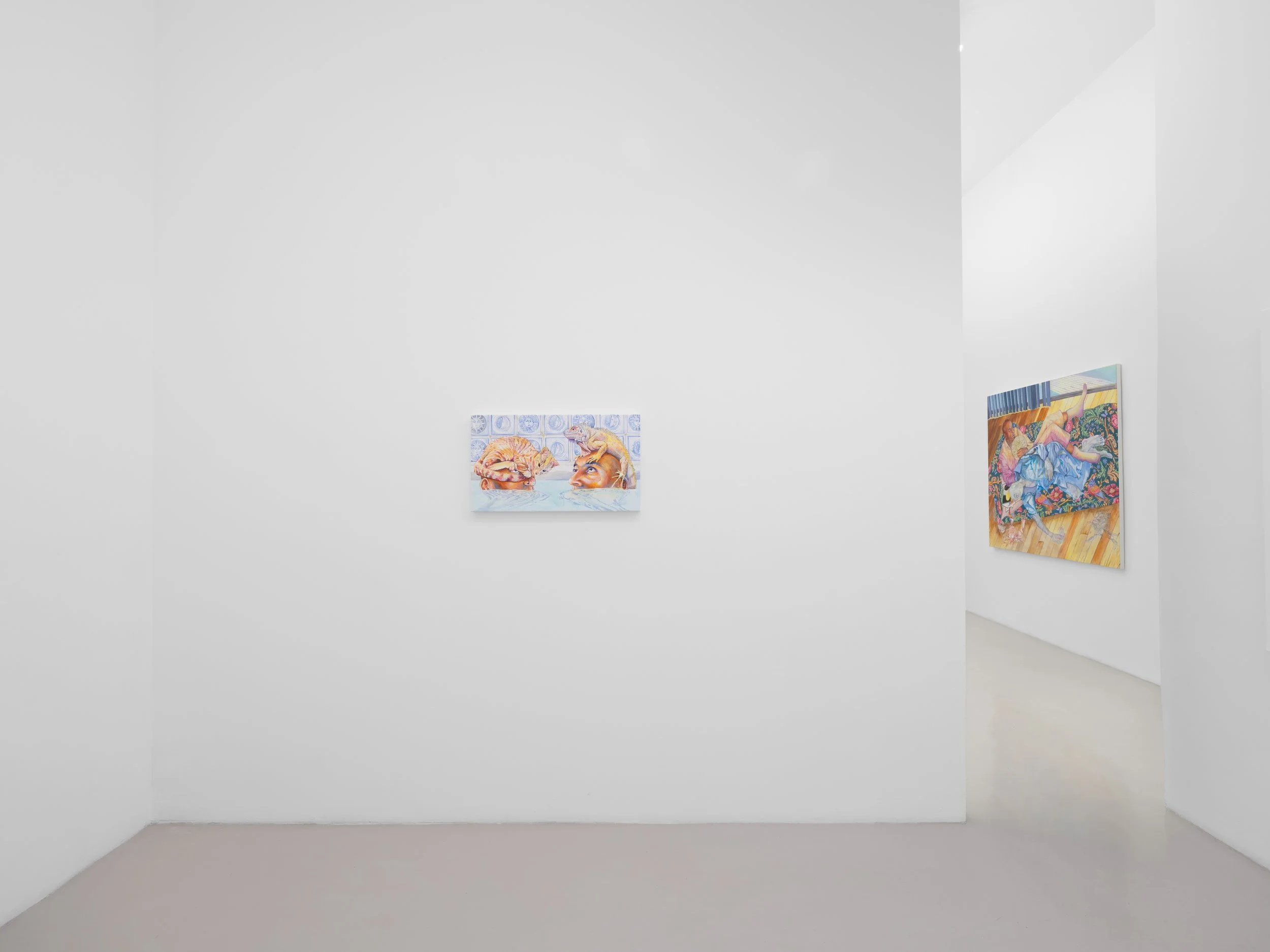
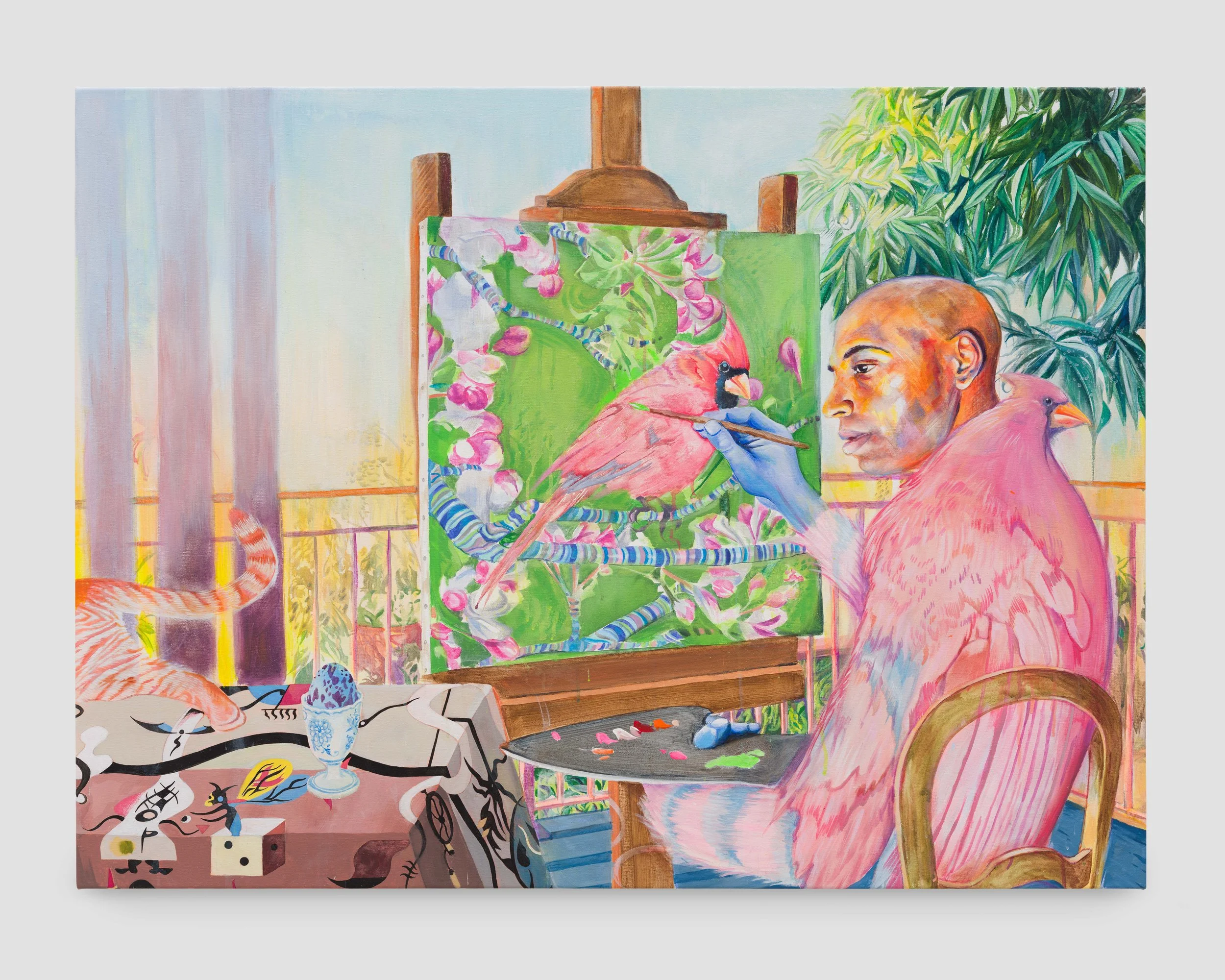
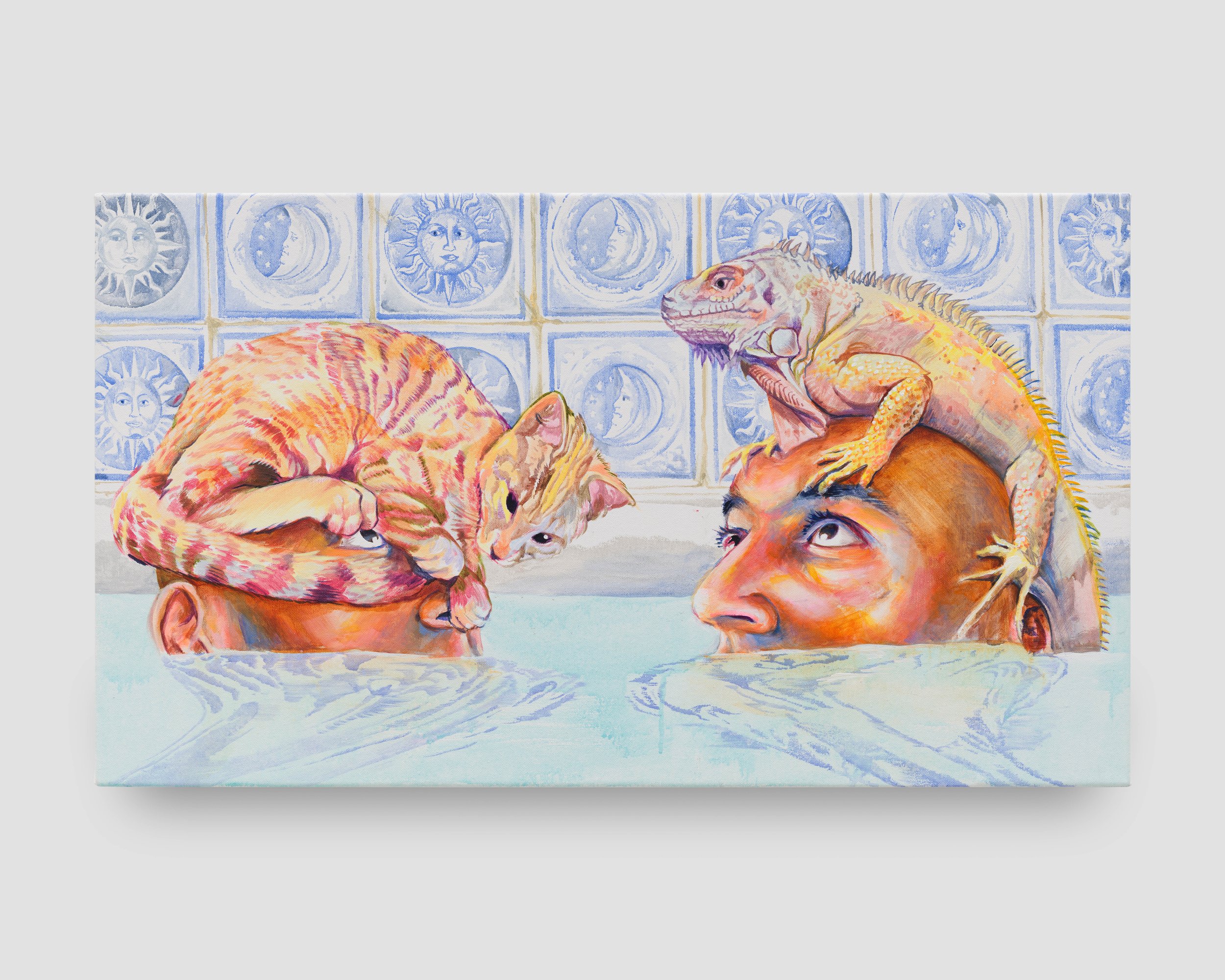
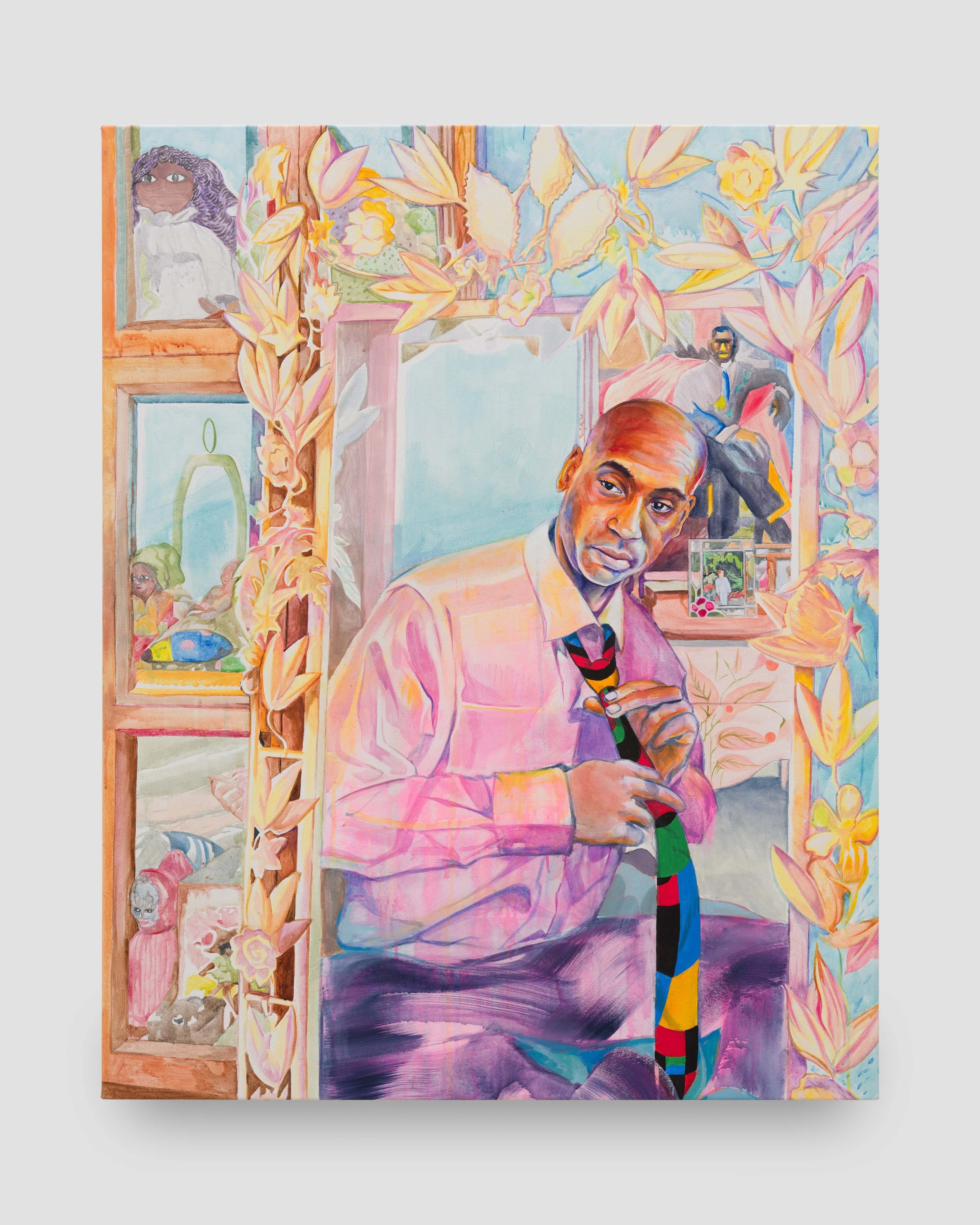
Elsewhere, Reflections trades the dove of René Magritte’s La Clairvoyance (1936) for a red cardinal, signifying a new beginning. Joan Miró’s Harlequin’s Carnival (1924-1925) serves as a tablecloth, while an orange striped cat, a kind of avatar who appears in almost all of the paintings, escapes out of frame to the left. The interior scene veers into surreality where the figure itself seems to merge with the cardinal just behind his shoulders. This playful sense of composition carries into the small painting Float, featuring two floating heads topped with animals, signifying day and night. The figure maintains a consistent scale across all of the paintings in the exhibition, regardless of size, so this smaller painting contains only the upper portion of heads. Float distills the sense of potential energy that infuses this body of work, each painting a suspended moment amidst a larger transformation that is both personal and stylistic.
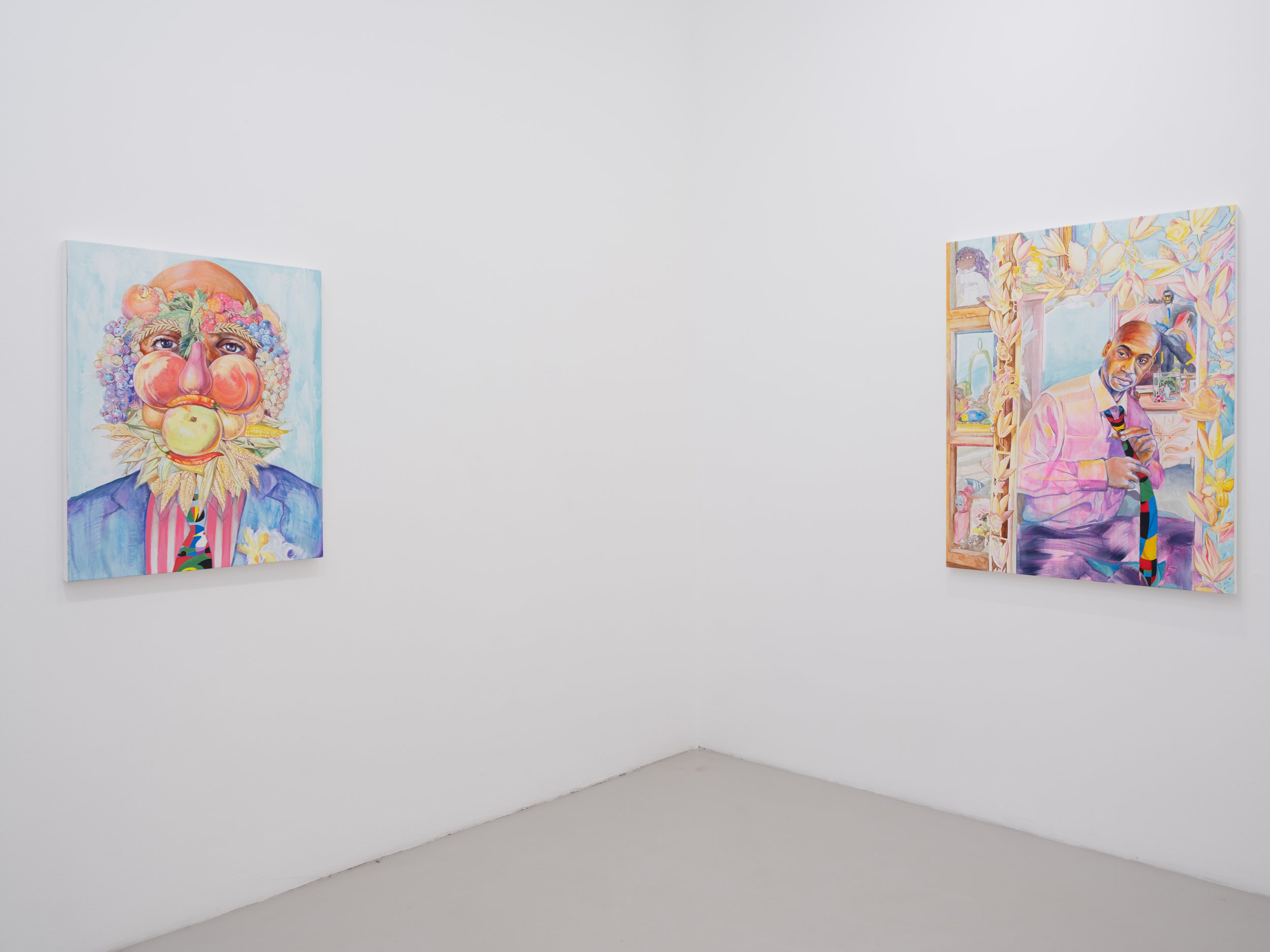
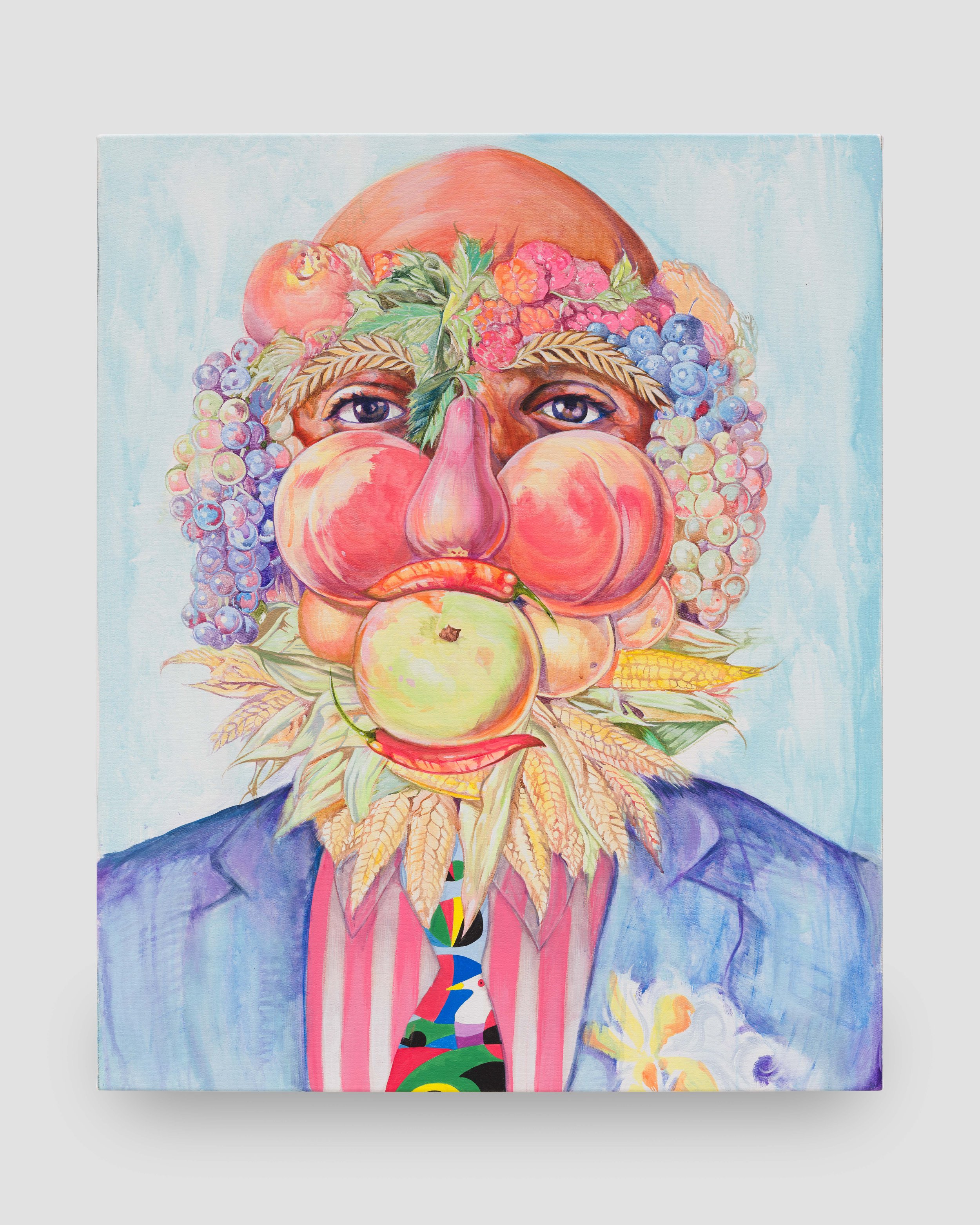
Across the works in Burning Desires, Cisneros grapples with time and the growth that accompanies its passage. Time is everywhere—a clutched sundial, sun and moon tiles, fading afternoon light, the ephemeral abundance of fruit—forever a reminder of our fleeting stay in this life. These works find Cisneros in a self-reflective mode, placing himself, like an actor on a stage, into scenes weighted with art history yet wholly personal and contemporary. They emphatically assert his own place in this history, confidently taking up the mantle of portraiture and making it fully his own.
Nehemiah Cisneros’s (b.1986, Los Angeles) work celebrates histories of figurative painting by inserting familial characters as central figures within iconic and lesser known works of art. The process of subverting paintings that have penetrated popular culture; as well as, illuminating niche visual art genres is Cisneros' practice of navigating his place within art history. Cisneros’ work is riddled with meta meanings, often introspective and vulnerable. Like diary entries, each body of work straddles contemporary events while archiving culture.
Cisneros received his BFA from Kansas City Art Institute in 2021, and his MFA from the University of California Los Angeles in 2024. His work is in the collection of the Rubell Museum. His previous exhibitions include Paranoid Style at Josh Lilley Gallery and America (Soy Yo!) at Charlie James Gallery.
Selected Works
Installation